Gorilla Trekking in Dry Season vs Wet Season

Choosing between gorilla trekking in the dry season vs wet season shapes your trail conditions, permit availability, and overall trekking experience in Uganda, Rwanda, or Congo. Gorilla trekking runs all year, but each season brings different weather, crowd levels, and physical demands worth weighing before you book.
Gorilla Hurly Burly can help you compare both seasons and choose the package that fits your fitness level, budget, and travel dates.
Understand Gorilla Trekking Seasons in Africa
Trekking mountain gorillas in Uganda, Congo, and Rwanda ranks among the world’s most sought-after wildlife activities. These countries split into two main seasons that shape the experience: the wet season, covering March, April, May, October, and November, and the dry season, covering January, February, June, July, August, September, and December.
Climate change has made rainfall harder to predict, with rain arriving unexpectedly and dry spells running longer or shorter than usual. Even so, gorilla trekking continues year-round regardless of season, and both options come with real trade-offs worth understanding before you commit to travel dates.
What to Expect During Gorilla Trekking in the Rainy Season

The rainy season counts as low season for tourism, falling between the peak windows of June to September and December to February. Every trekking day still starts with a pre-trek briefing, rain or shine, where rangers check your documents and explain the rules before you enter the forest.
One gorilla family hosts eight visitors, a ranger guide, and porters per day, though wet season groups sometimes run smaller due to lower demand. Trekking starts from the gorillas’ last known location and moves toward wherever they’re likely feeding or resting that day.
The trek itself takes 1 to 6 hours regardless of weather, plus your hour observing the gorillas feed, play, and care for their young. For wet season trekking, pack a waterproof jacket, sturdy hiking boots, a hat, gloves, insect repellent, your permit, a camera, binoculars, long socks, a long-sleeved shirt, a water container, and long trousers. Despite the rain, many trekkers find the quieter trails and smaller groups make the wet season a rewarding time to visit.
What to Expect During Gorilla Trekking in the Dry Season

The dry season draws the highest demand for permits and lodge accommodation, so booking at least six months ahead is worth doing if you want your preferred dates. Lower rainfall thins out the vegetation and reduces available fruit, which pushes gorillas deeper into the forest in search of food, sometimes meaning longer treks to reach them.
Gorilla trekking is physically demanding at any time of year, involving hikes through mountainous forest terrain, so a reasonable level of fitness and preparation matters regardless of season. For dry season trekking, pack long-sleeved shirts, gloves, lightweight safari pants, a camera with extra batteries, a waterproof backpack, sturdy boots, cotton socks, a hat, sunglasses, a rain jacket, snacks, a warm sweater, insect repellent, toiletries, a first aid kit, and your travel documents. Since treks can run up to 6 hours, bring a packed lunch and enough water for the day.
Book Gorilla Trekking Permits Early

A gorilla trekking permit is required for every visitor and covers one day with one gorilla family for up to eight people aged 15 and above. Pricing varies by country: Uganda charges USD 800 for foreign non-residents, USD 700 for foreign residents, and 250,000 UGX for East African residents in Bwindi and Mgahinga. Congo charges USD 400 for foreign non-residents in Virunga and Kahuzi-Biega, while Rwanda charges USD 1,500 for foreign non-residents.
Know the Types of Gorillas You Will See

Gorilla species across the Virunga mountain range span East and Central Africa. Rwanda holds about a quarter of the world’s mountain gorilla population in Volcanoes National Park, Uganda holds roughly half across Bwindi and Mgahinga, and Congo holds about a third in Virunga, alongside a significant eastern lowland gorilla population in Kahuzi-Biega.
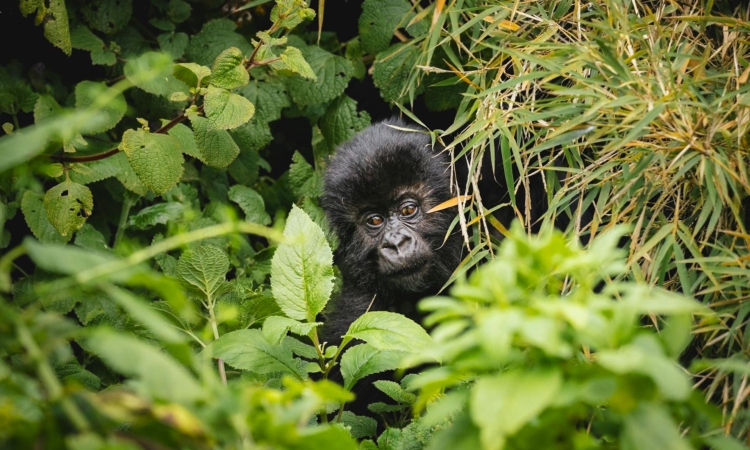
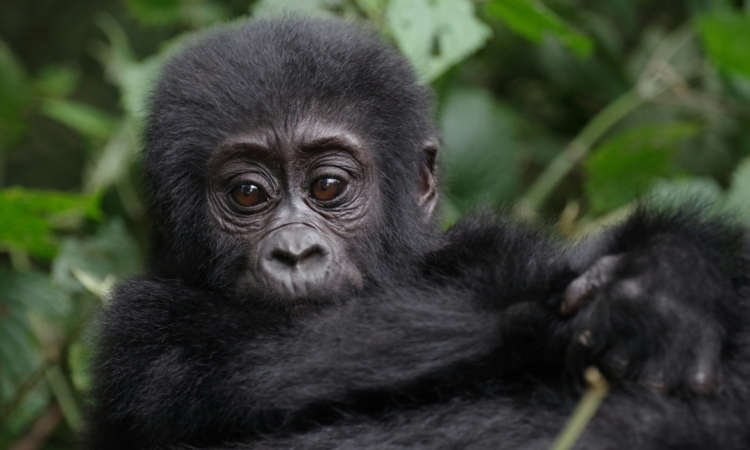
Seeing these gorillas in their natural rainforest habitat creates lasting memories, and the trek itself passes through jungle filled with other mammals, birds, and distinctive plant life. Gorillas share roughly 98.7% of human DNA, visible in their social structures, body proportions, and even fingerprints, and they follow a fully vegetarian diet.
Follow Gorilla Trekking Guidelines for a Safe Experience
A few core rules apply on every trek, in any season:
- Maintain a 7-meter distance when viewing and photographing gorillas.
- Spend only one hour with the gorillas.
- Do not use flash photography.
- Keep voices low while trekking and viewing gorillas.
- Do not eat, drink, or smoke in front of the gorillas.
- Do not leave rubbish in the forest.
Book Your Gorilla Trekking Safari with Confidence
Choosing between the dry season and wet season changes your trekking experience, permit availability, and accommodation options. The dry season brings high demand, so early booking matters, while the wet season offers fewer crowds and often smaller groups, along with a real chance of rain during your trek.
Gorilla trekking takes 1 to 6 hours regardless of season and rewards good preparation and the right gear. Permits are required in all three countries, with prices varying by destination.
Book your gorilla trekking safari with Gorilla Hurly Burly today. Contact our team to compare seasons and plan a well-organized trekking experience that fits your travel style.