Gorilla Trekking for Photographers

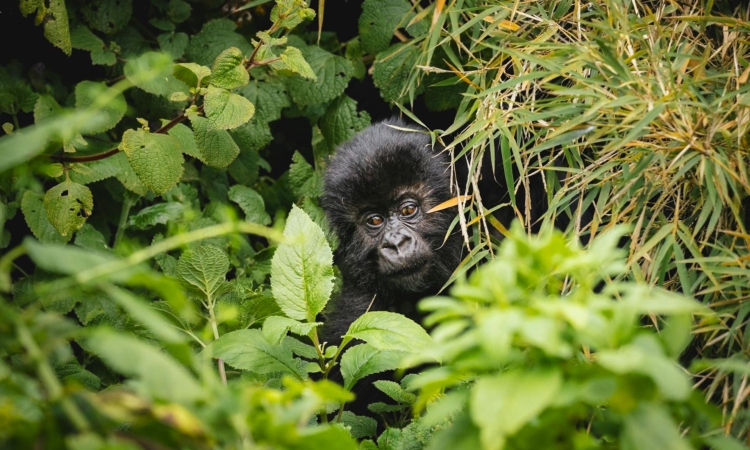
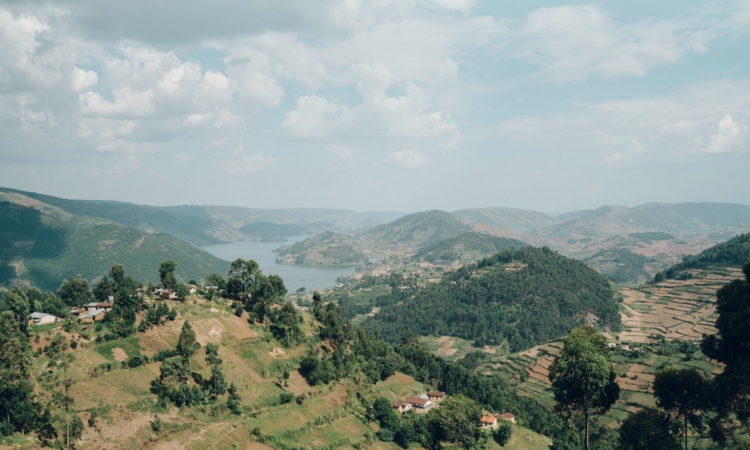
Gorilla trekking for photographers offers a rare chance to capture mountain gorillas in their natural rainforest environment, combining the physical challenge of the trek with genuine creative opportunity. Bwindi Impenetrable National Park ranks among the best destinations for gorilla photography thanks to its misty mountain landscape, while Volcanoes National Park offers easier treks and clear views of the Virunga Mountains that add their own visual appeal to the experience.
Gorilla Hurly Burly can help photographers plan a gorilla trekking trip built around the best lighting, timing, and terrain for capturing strong images.

How the Trek Unfolds
The trek starts early in the morning, before sunrise, with a briefing covering the rules every visitor must follow. Cameras are checked and prepared before park rangers lead the group into the forest. Depending on the gorillas’ location that day, hiking through steep trails can take anywhere from 30 minutes to several hours before a gorilla family finally appears hidden in the thick bush.
Once the group finds the gorillas, visitors follow the standard rules of distance and behavior before being permitted to photograph the family as they move, feed, or rest within their natural surroundings.
Tips for Better Gorilla Photography
Timing your shots around natural light makes a real difference in image quality. Shooting when sunlight filters through the tree canopy generally produces better results than shooting under the harsh midday sun, which can create strong shadows and blown highlights in a dense forest setting.
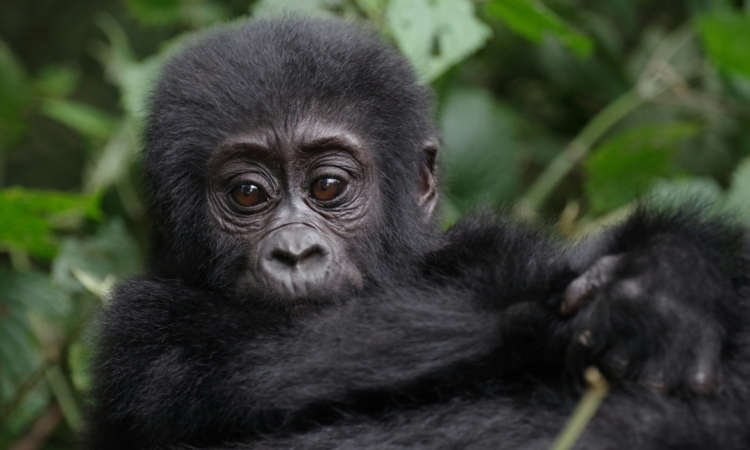
Rather than focusing exclusively on close-up portraits, photographers often get more compelling results by capturing gorilla behavior and interactions, whether that’s a mother caring for an infant, juveniles playing, or the silverback surveying the group. These behavioral moments tend to tell a fuller story than static close-ups alone.
Essential Camera Equipment
Gorilla trekking demands specific preparation from a photography standpoint. A camera paired with both a 24-70mm lens for wider environmental shots and a 70-200mm lens for closer wildlife shots covers most of what you’ll need during your hour with the gorillas. A tripod can help with stability in low-light forest conditions, though hand-held shooting often works better given how quickly gorillas move and how little space the forest terrain allows for setup.
Protective Gear for the Trek
Beyond camera equipment, photographers need the same protective gear as any gorilla trekker: sunscreen, a rain jacket, a sweater for cooler mornings, insect repellent, binoculars, a long-sleeved shirt, long trousers, and waterproof hiking shoes. Given how much equipment photographers typically carry, a well-organized daypack matters more here than for trekkers without camera gear to manage.
Best Time for Photography
The best time for photographers to go gorilla trekking falls during the dry season, June to August and December to February. During these months, trails stay easier to walk, lighting conditions improve with clearer skies, and thinner vegetation makes it easier to get unobstructed shots of the gorillas once you find them.
Wet season trekking, while still possible, introduces more challenges for photography specifically, from lower light levels under heavier cloud cover to thicker vegetation that can obstruct clean shots of the gorillas even once you’ve located the family.
Gorilla Permit Costs
A gorilla permit in Uganda costs USD 800 for foreign non-residents, USD 700 for foreign residents, and UGX 300,000 for East African citizens. This pricing applies regardless of whether you’re trekking specifically for photography or general wildlife viewing, since the permit itself doesn’t distinguish between visitor intent.
Choosing Between Bwindi and Volcanoes for Photography
Bwindi’s misty, mountainous terrain creates a genuinely atmospheric backdrop for gorilla photography, though the steeper trails demand more physical effort to reach good vantage points. Volcanoes National Park offers gentler terrain alongside clear views of the surrounding Virunga peaks, giving photographers a different but equally compelling visual context for their shots.
Photographers who prioritize dramatic, moody forest imagery may prefer Bwindi’s dense, misty environment, while those wanting clearer mountain backdrops alongside their gorilla shots might lean toward Volcanoes instead.
Beyond the Technical Side
While equipment and timing matter, gorilla trekking for photographers ultimately offers something beyond the technical challenge of getting a good shot. Spending an hour genuinely close to these animals, watching their social dynamics and daily behavior unfold, creates a connection that goes well beyond what any single photograph can capture. Many photographers describe the experience itself as memorable independent of how their images turn out.
Planning Your Photography-Focused Trek
Coordinating your trekking dates around dry season months, choosing between Bwindi and Volcanoes based on your preferred visual style, and packing the right combination of camera gear and protective clothing all contribute to a smoother, more productive photography trek. Working with an operator familiar with photographer needs can also help match you to sectors or families known for more open, photogenic terrain.
Book Your Gorilla Trekking Photography Safari
Gorilla trekking for photographers is about more than capturing great images, though the misty forests of Bwindi and the clear mountain views of Volcanoes both offer strong creative opportunities. At its core, this remains a rare chance to connect with mountain gorillas in the wild, camera or not.
Book your gorilla trekking safari with Gorilla Hurly Burly today. Contact our team to plan a photography-focused trip and secure your permit for the season and sector that best fits your creative goals.