Best Uganda Gorilla Hikes
-
 On Offer
2-Day Kigali to Bwindi Tour
View Tour -
 On Offer
3-Day Kigali to Bwindi Tour
View Tour -
On Offer
5-Day Uganda Safari
View Tour -
On Offer
10-Day Uganda Safari
View Tour
 On Offer
 On Offer
 On Offer
 On Offer
Planning a gorilla hike? Book gorilla trekking in Africa with Gorilla Hurly Burly, your trusted partner for safaris in Uganda, Rwanda, and the Democratic Republic of Congo. We take you deep into the rainforests of Bwindi and the Virunga Mountains to see mountain gorillas in the wild.
We follow eco-friendly practices on every trip and work with experienced local guides who know the trails, the gorilla families, and the terrain. Our comfortable 4x4 safari vehicles get you to the trailhead safely, and whether you choose budget or luxury, we book lodges close to your trekking area for a smooth, stress-free trip.
Gorilla trekking in Africa means a guided hike into the rainforest to find mountain gorillas in their natural home. We arrange treks in Uganda's Bwindi Impenetrable Forest and Mgahinga, Rwanda's Volcanoes National Park, and Congo's Virunga and Kahuzi-Biega, so you can choose the destination and budget that fits your trip.
Our team handles your permit booking, transport, and accommodation from start to finish. Permits cost $800 in Uganda, $1,500 in Rwanda, and $400 in Congo, and we help you secure yours early to avoid missing out.
Gorilla permits help protect these endangered primates, who share 98% of their DNA with humans and cannot survive in zoos. See our gorilla tours beloEvery trek follows strict rules to protect the gorillas, including a 7-meter distance, quiet voices, and no sudden movements. Gorilla permits fund the protection of these endangered primates, who share 98% of human DNA and cannot survive in captivity. Book your gorilla trekking tour with Gorilla Hurly Burly below.
Book gorilla trekking tours to Bwindi Impenetrable National Park and Mgahinga Gorilla National Park for 2026/2027.
On Offer
On Offer On Offer
 On Offer
 On Offer
On Offer
On Offer On Offer
 On Offer
On Offer
On OfferBook gorilla trekking tours to Volcanoes National Park in Musanze/Ruhengeri for 2026/2027
 On Offer
 On Offer
 On Offer
 On Offer
 On Offer
 On Offer
Book gorilla trekking trips that combine gorilla parks with Masai Mara National Reserve, Mount Kilimanjaro, and Serengeti National Park for 2026/2027.
 On Offer
 On Offer
 On Offer
 On Offer
 On Offer
 On Offer
Book gorilla trekking in Africa through Uganda, Rwanda, or the Democratic Republic of Congo. This guided hike takes you through thick tropical forest to see a specific gorilla family, with trekkers using walking poles for support on steep, slippery slopes.
Mountain gorillas live only in dense, misty rainforest and cannot survive in captivity. In Uganda, treks start at 8:00 AM from four trekking sectors, in groups of eight people led by a park guide. Treks last 2 to 6 hours, including one hour spent observing the gorillas.
Gorilla Hurly Burly arranges African gorilla safaris and gorilla trekking tours for travelers from the United States, Australia, Poland, Israel, Saudi Arabia, Dubai, Namibia, Brazil, China, Sweden, the Netherlands, Germany, Hong Kong, Japan, Canada, Mexico, Switzerland, the United Kingdom, Ireland, Singapore, South Africa, and beyond. Whether you want a gorilla trek from South Africa or a full Africa gorilla trek from anywhere else in the world, our team plans the full trip for you.
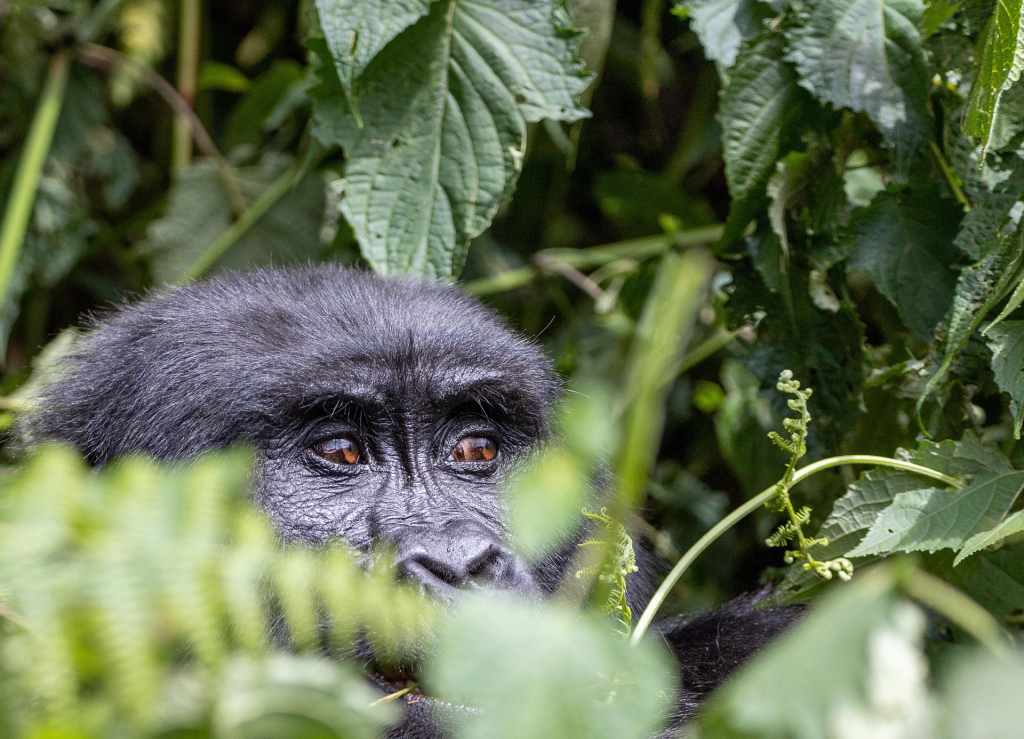
Uganda holds nearly half of the world’s mountain gorillas, split across two national parks: Bwindi Impenetrable Forest National Park and Mgahinga Gorilla National Park. Both parks rank among the best gorilla tours in Africa for travelers who want a genuine wild encounter.
Bwindi Impenetrable National Park sits in Kanungu district in southwestern Uganda. The park holds mountain gorillas alongside 100 fern species, 165 tree species, 220 butterfly species, 348 bird species, 28 frog species, and 120 mammal species.
Bwindi became a forest reserve in 1932 to protect mountain gorillas, then a national park in 1991. It holds the highest number of mountain gorillas of any trekking destination in Africa.
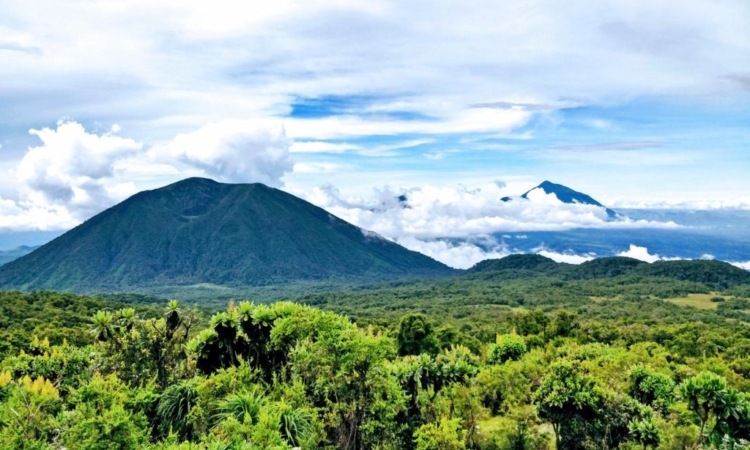
Mgahinga National Park sits in the southwestern corner of Uganda and covers 33 square kilometers, making it the country’s smallest national park. It holds three Virunga volcanoes: Mount Sabyinyo, Mount Gahinga, and Mount Muhavura.
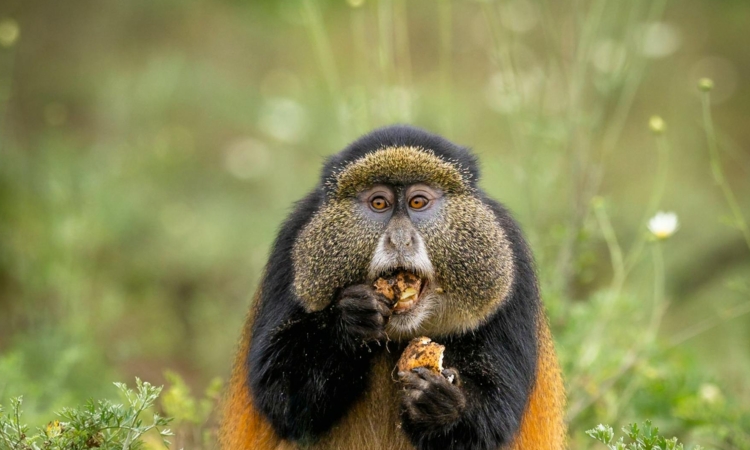
The park offers gorilla trekking plus golden monkey trekking, since golden monkeys live only in the Virunga region.
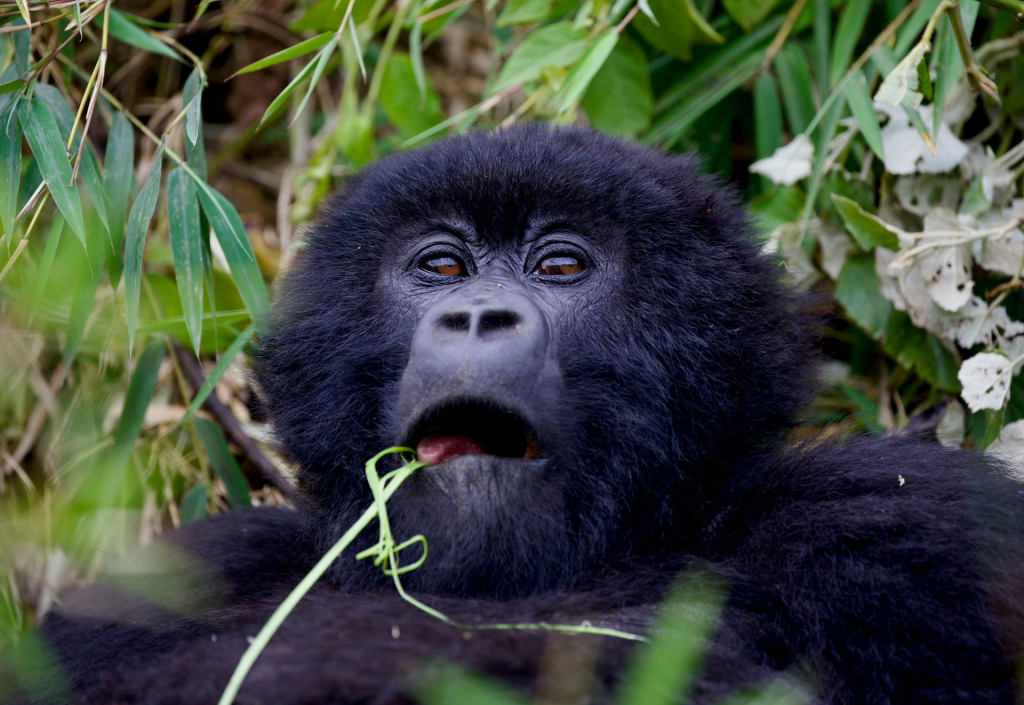
Rwanda offers gorilla trekking in Volcanoes National Park and remains one of the top spots in Africa to see gorillas in the wild. Many travelers combine gorillas Africa Rwanda trips with a stop in Kigali before heading to the park.
Volcanoes National Park sits in southwestern Rwanda and covers 168 square kilometers. Gazetted in 1925 to stop poaching, it became a national park in 1929, the first in Africa.
The park holds mountain gorillas, golden monkeys, 178 bird species, and various other mammals.
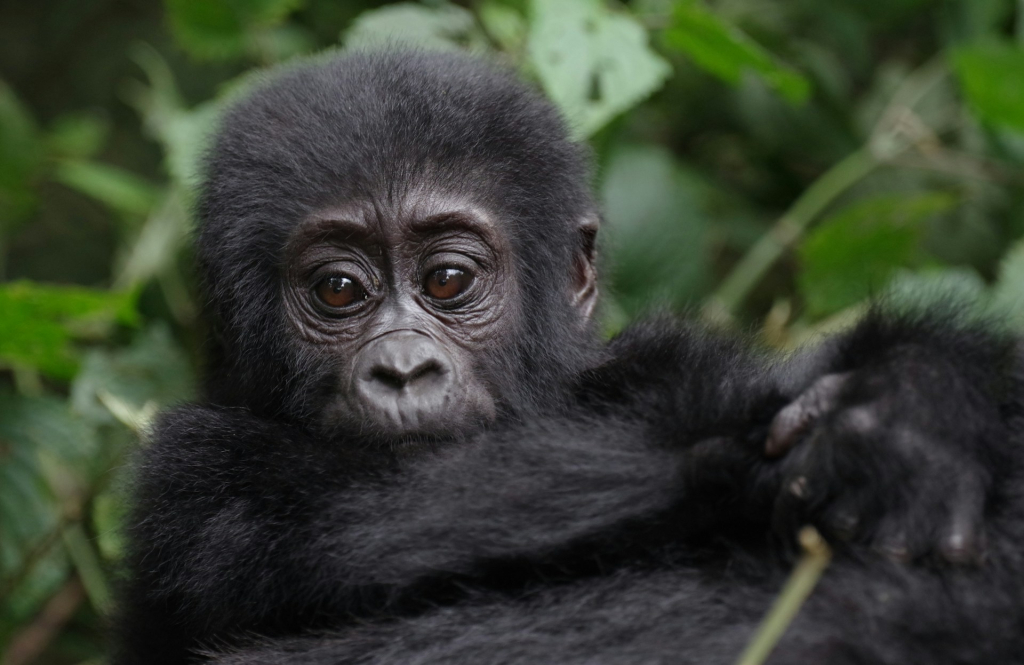
Congo offers mountain gorilla trekking in Virunga National Park and eastern lowland gorilla trekking in Kahuzi-Biega National Park.
Virunga National Park, established in 1925, offers mountain gorilla trekking. Wildlife numbers have grown despite past unrest, and the park hosts the world’s only mountain gorilla orphanage.
Permits cost $400 per person in peak season and $200 in low season.
Kahuzi-Biega became a reserve in 1937 and a national park in 1970. It holds both mountain and eastern lowland gorillas, though most visitors trek eastern lowland gorillas.
Two habituated eastern lowland gorilla families are open for trekking. Permits cost $400 in peak season and $200 in low season per person.
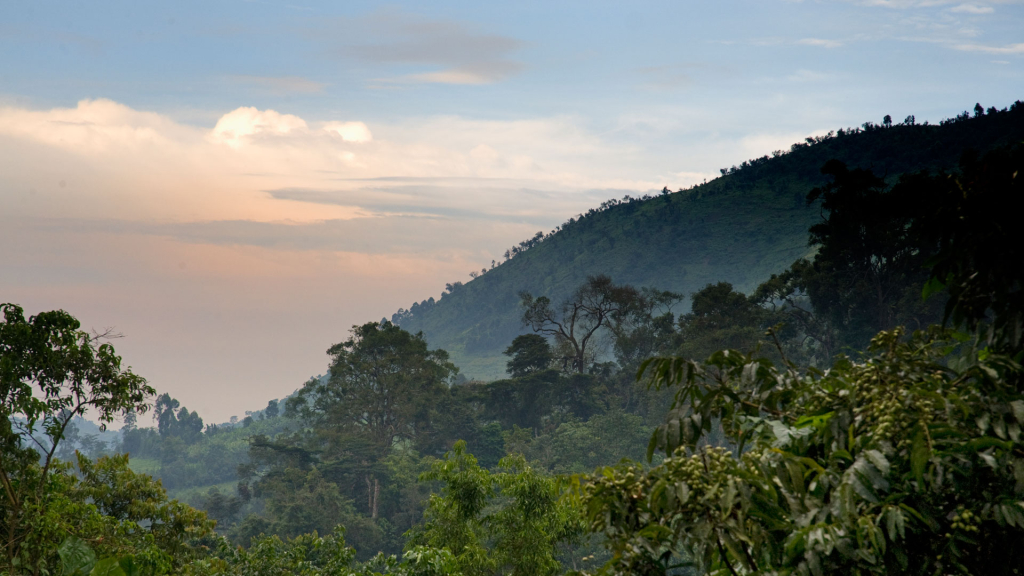
Bwindi Impenetrable National Park ranks as the best place to see gorillas in Africa for mountain gorilla trekking. Permits cost less than Rwanda’s. Congo’s permits cost even less, though security conditions require careful checking before travel. The current situation in Congo has stayed peaceful for gorilla trekking, and it remains one of the best gorilla safaris in Africa for budget travelers willing to plan carefully.
Bwindi holds 19 habituated gorilla families, with two more still being habituated. Visitors wanting more time with the gorillas can book a gorilla habituation permit instead of a standard trek.
Trekking time runs 1 to 7 hours, depending on the gorilla family’s location and the group’s pace. Book accommodation only after securing your permit, since Bwindi has four separate sectors. Staying in the same sector as your trek keeps the day simple and comfortable.
You can start a Bwindi trip from Kigali in Rwanda, and solo travelers can often find discounts here.
Volcanoes National Park ranks as the easiest mountain gorilla park to reach. Treks start early with a briefing at park headquarters, and rangers assign gorilla families based on age and fitness level.
Each family accepts only eight visitors per day, protecting the gorillas while giving each group a genuine encounter. The park runs a safe, well-organized trekking system and draws travelers from across the world, including many booking a gorilla trek from South Africa or other parts of the continent.
Virunga National Park holds eight habituated mountain gorilla families, with two more still being habituated. Visitors can also see the Senkwekwe Gorilla Orphanage, the only facility of its kind in the world.
Trekking starts early with a briefing at Bukima Ranger Post. Groups spend 1 to 3 hours searching for the gorillas, depending on location and fitness, then spend one hour observing them at a safe distance.
Kahuzi-Biega National Park sits near Bukavu, Congo. Visitors can trek eastern lowland gorillas or mountain gorillas, though most choose eastern lowland gorillas.
Two habituated eastern lowland gorilla groups are open for trekking, each requiring a valid permit. Treks start early with a ranger briefing, and once the group locates the gorillas, visitors spend one hour observing and photographing them.
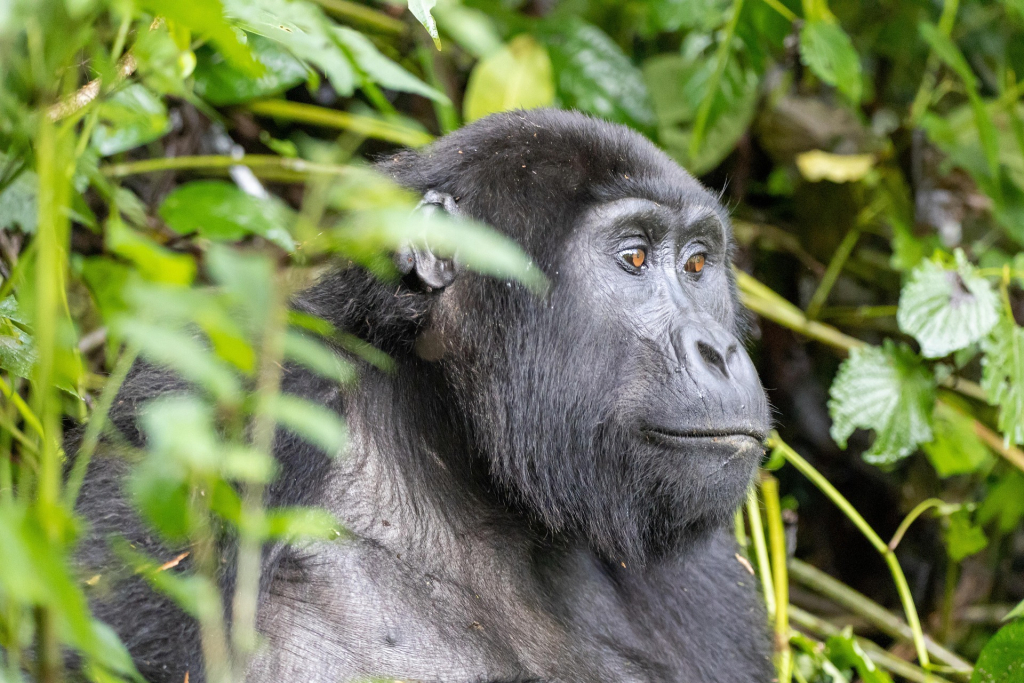
Every trekker needs a gorilla permit. Prices vary by country: Uganda charges $800, Rwanda charges $1,500, and Congo charges $400 per person.
These prices cover the permit only, not accommodation, transport, or other activities. Budget for these extra costs separately. Permit fees fund conservation and limit daily visitor numbers to protect the gorillas.
Budget gorilla trekking works best in Uganda’s Bwindi and Mgahinga National Parks, where permits cost $800. Congo’s Virunga National Park offers the cheapest permits of the three countries, making it the top choice for affordable mountain gorilla tours in Africa.
Rwanda offers a luxury gorilla trekking experience at $1,500 per permit. Travelers fly into Kigali International Airport, then drive about 3 hours to Volcanoes National Park. Top lodges include Bisate Lodge, Mountain Gorilla View Lodge, Virunga Lodge, Sabyinyo Silverback Lodge, and Five Volcanoes Boutique Hotel.
Uganda also offers luxury trekking. Visitors fly into Entebbe International Airport, connect to Kihihi or Kisoro Airstrip, then transfer to their lodge. Top options include Trackers Safari Lodge, Nkuringo Bwindi Gorilla Lodge, Clouds Mountain Gorilla Lodge, Buhoma Lodge, Volcanoes Bwindi Lodge, and Sanctuary Gorilla Forest Lodge.
Gorilla habituation trains wild gorillas to accept human presence. Uganda started this program in 2014. The process takes 2 to 3 years, with rangers and researchers visiting the gorillas daily to study behavior and assign names.
Once ready, gorillas go through a mock trek before opening to tourists. Gorillas rank as the largest primates and share 98% of human DNA. They cannot survive in zoos and live only in a handful of African countries. Permit revenue funds their protection and supports conservation for future generations.
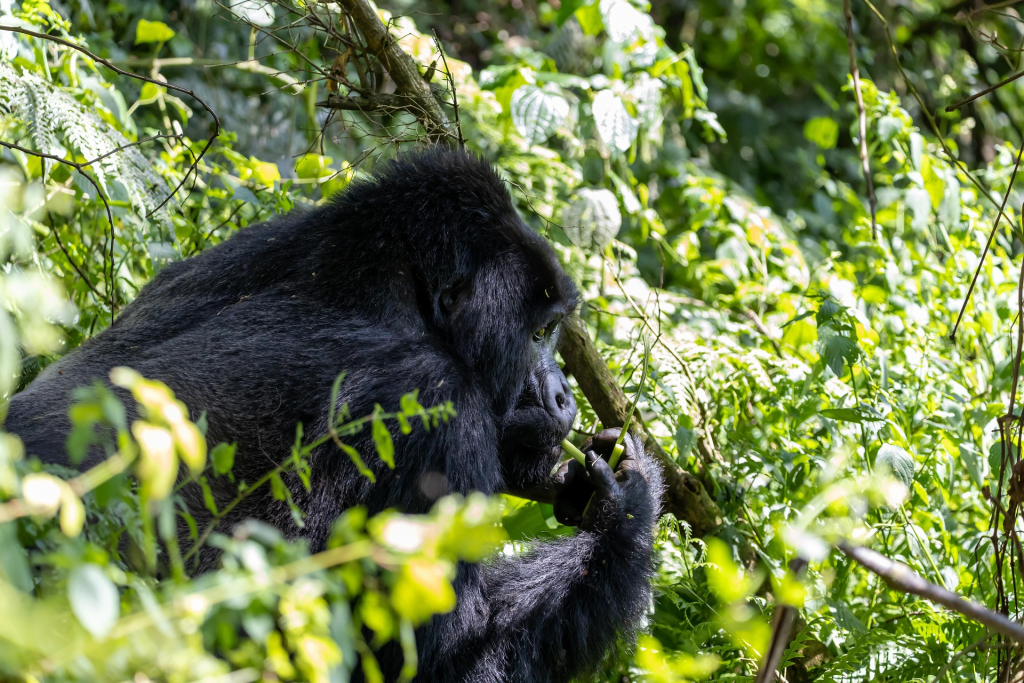
Gorilla trekking is worth it. Permit fees fund gorilla protection and support communities living near the parks, including local schools and hospitals. Since gorillas cannot survive in zoos, trekking gives you the only real chance to see them in the wild.
Booking a trek supports both wildlife conservation and the people who live alongside these parks, making it one of the most direct ways to protect gorillas for future generations.
Every trekker needs a permit before entering Uganda, Rwanda, or Congo’s gorilla parks. Book at least three months ahead, especially during peak season, either online or through a travel agent.
Permits last one day. Uganda charges $800 for standard trekking and $1,500 for gorilla habituation. Rwanda charges $1,500, dropping to $1,050 from November to April when combined with a visit to another national park. Congo offers the cheapest permits at $400 in peak season and $200 in low season, a strong fit for budget travelers.
Trekking rules protect the gorillas, the trekkers, and the forest itself. These rules apply across Uganda’s Bwindi and Mgahinga, Rwanda’s Volcanoes, and Congo’s Virunga and Kahuzi-Biega. Treks start each morning while gorillas are active.
Following these rules protects both the gorillas and visitors, securing gorilla conservation for future generations. Read our full trek preparation guide before you go.

Gorillas split into four types: mountain gorillas, eastern lowland gorillas, western lowland gorillas, and cross river gorillas. They live across East, West, and Central Africa, including Uganda, Rwanda, and Congo.
Uganda and Rwanda remain the top destinations for mountain gorilla tours in Africa. Gorillas share 98% of human DNA and rank as the largest primates alive. They are critically endangered and cannot survive in zoos. Permit fees fund their protection and support local communities. If you want to visit gorillas in Africa or take one of the many trips to see gorillas in Africa, Uganda or Rwanda offer the most reliable trekking access on the continent.
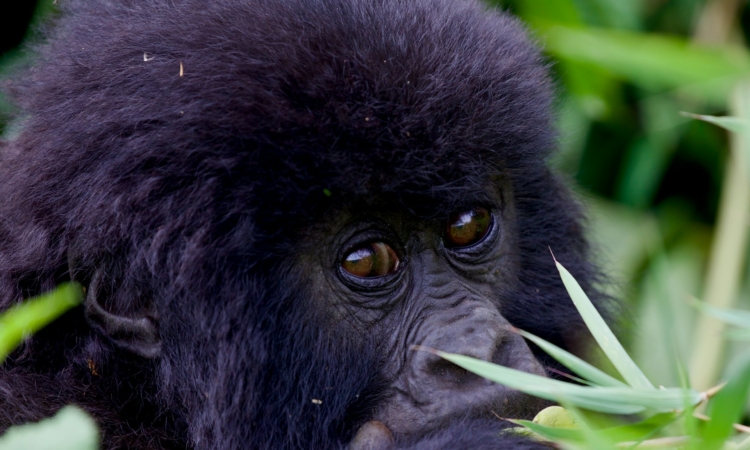
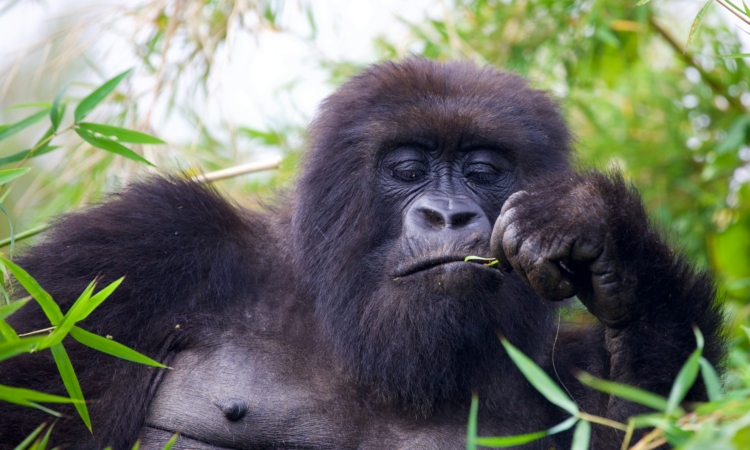
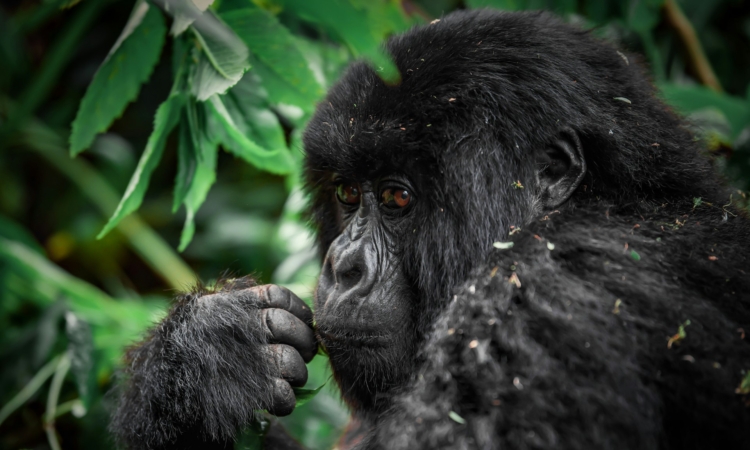
Mountain gorillas are an endangered eastern gorilla subspecies found in the Virunga region across Uganda, Rwanda, and Congo, plus Bwindi Impenetrable National Park in Uganda. Thick fur helps them survive cold, high-altitude rainforest between 8,000 and 13,000 feet. Fewer than 1,500 remain in the wild.
Male mountain gorillas can weigh up to 185 kilograms and stand 161 to 171 centimeters tall. Females weigh up to 90 kilograms. Males also develop a raised crest on the top and back of the skull, giving their heads a distinct cone shape.
Eastern lowland gorillas are a critically endangered subspecies found only in the rainforests of the Democratic Republic of Congo, across Kahuzi-Biega, Tayna, Maiko, Itombwe, and Usala. They rank as the largest gorilla type, with bulky skulls, large hands, and stocky bodies, though shorter hair than mountain gorillas.
Their population has dropped to around 6,800 due to poaching, habitat loss, and regional unrest. Males weigh 150 to 209 kilograms and stand 1.96 meters tall. Females weigh 76 kilograms and stand 1.6 meters tall. Eastern lowland gorillas cover the widest altitude range of any gorilla subspecies and favor regenerating vegetation.
Gorilla trekking runs year-round, but the dry seasons, June to September and December to February, offer the easiest conditions, since trails stay firm rather than slippery or muddy.
Some parks and lodges lower permit and accommodation rates during the wet season, helping budget travelers save money. Rain also keeps gorillas closer to lower ground, since ripe fruit stays more available there, which can shorten the walk to find them. Both seasons offer a genuine chance to see mountain gorillas. See our month-by-month breakdowns for Uganda and Rwanda.
Whether you are planning gorilla trekking from South Africa, arranging a Rwanda gorilla tour from South Africa, or booking your trip from another continent entirely, Gorilla Hurly Burly organizes the full journey. This covers African gorilla safaris across Uganda, Rwanda, and Congo, along with permits, transport, and accommodation, all matched to your budget and travel dates.
You can go gorilla trekking in Uganda, Rwanda, and the Democratic Republic of Congo. These three countries hold the only wild mountain gorilla populations left in the world, spread across Bwindi Impenetrable National Park and Mgahinga Gorilla National Park in Uganda, Volcanoes National Park in Rwanda, and Virunga National Park and Kahuzi-Biega National Park in Congo.
Congo offers the cheapest gorilla permits at $400 per person in peak season and $200 in low season. Uganda comes next at $800 per person, while Rwanda charges the most at $1,500 per person. See our full Uganda vs Rwanda permit comparison.
Permit prices depend on the country. Uganda charges $800, Rwanda charges $1,500, and Congo charges $400 per person. These fees cover the permit only and do not include transport, accommodation, or meals.
Trekking time ranges from 1 to 7 hours depending on where the gorilla family is located and how fast the group walks. Once found, visitors spend one hour observing the gorillas.
Uganda offers the best overall value, with the highest number of gorilla families and lower permit costs than Rwanda. Rwanda suits travelers who want a shorter trek and easier access from Kigali. Congo suits budget travelers willing to check the security situation before booking. Read our full Uganda vs Rwanda comparison.
No. South Africa does not have wild mountain gorillas. Travelers looking to see gorillas in Africa need to book a trip to Uganda, Rwanda, or Congo instead, even when starting their journey from South Africa.
You book through a tour operator who arranges your permit, flights, and accommodation in Uganda, Rwanda, or Congo. Most South African travelers fly through Nairobi, Addis Ababa, or Kigali before connecting to their final gorilla trekking destination.
Trekkers must be at least 15 years old. This rule applies across Uganda, Rwanda, and Congo, with no exceptions for younger children.
Only eight people are allowed to visit one gorilla family each day. This limit protects the gorillas from overexposure to human contact and disease.
Gorilla habituation is the process of training wild gorillas to accept human presence over 2 to 3 years. Visitors who book a habituation permit spend up to four hours with the gorillas instead of the standard one hour.
Yes. Trekking follows strict safety rules, including keeping a 7-meter distance from the gorillas and trekking with armed rangers. Congo requires extra caution due to occasional regional instability, so check current advisories before booking.
The dry seasons, June to September and December to February, offer the easiest trekking conditions with firmer trails. The wet seasons bring lower prices and gorillas that stay closer to lower ground.
No. Gorilla permits cover park entry, a ranger guide, and the trek itself. Accommodation, transport, and meals require separate budgeting.
Book at least three months before your trekking date. Permits sell out fast during peak season, so earlier booking gives you a better chance at your preferred park and date.
Yes. Many travelers combine both countries in a single trip, crossing the border between Bwindi and Volcanoes National Park. This works well since the two parks sit a few hours apart by road. See our 5-day Uganda and Rwanda gorilla tour for an example itinerary.
Pack waterproof hiking boots, a rain jacket, long trousers, a long-sleeved shirt, gardening gloves, insect repellent, a hat, sunglasses, a camera without flash, and drinking water. See our full packing list.
No. Eastern lowland gorillas and mountain gorillas are different subspecies. Eastern lowland gorillas live only in Congo and are larger with shorter hair, while mountain gorillas live in Uganda, Rwanda, and Congo’s Virunga region with thicker fur suited to cold, high-altitude forest.
Permit fees fund gorilla conservation, ranger salaries, and community development near the parks. High prices also help control the number of daily visitors, which protects the gorillas from overexposure to humans.
Yes. Rwanda offers a discounted permit of $1,050 for foreign non-residents who stay more than three days and visit another national park. Congo also lowers its permit price to $200 during its low season. See how to pay for your permit for details.
The trek continues even in the rain. Trails become muddier and more difficult to walk, so waterproof boots and a rain jacket are essential regardless of season.
Book your gorilla trekking safari in Africa with Gorilla Hurly Burly today. Contact our team to check permit availability and plan your trip to Uganda, Rwanda, or Congo.
Gorilla Hurly Burly guides your gorilla trekking trip with permits, packing, border crossings, and timing for Uganda, Rwanda, and Congo.
 On Offer
 On Offer
 On Offer
 On Offer
 On Offer
 On Offer
 On Offer
 On Offer
 On Offer
Book your gorilla trekking safari in Africa's rainforest and see mountain gorillas in their natural home.
Inquire Now