Best Time to Trek Gorillas in Rwanda

The best time to trek mountain gorillas in Rwanda really depends on your personal schedule and priorities, since both the dry and wet seasons come with their own trade-offs. During the dry season, December to February and June to September, rainfall drops and trails become easier to pass, though gorillas sometimes move to more distant areas as they search for food across a wider range.
Gorilla Hurly Burly can help you weigh these seasonal trade-offs and plan your Rwanda gorilla trekking trip around what matters most to you.

Dry Season Trekking
Rwanda’s dry seasons run December to February and June to September, bringing minimal rainfall and firmer, more manageable trails throughout Volcanoes National Park. These conditions make for a more comfortable physical trek overall, since muddy, slippery terrain isn’t a factor during these months.
The trade-off is that gorillas often range farther during the dry season, moving in search of food across a wider territory. This can mean somewhat longer treks to reach your assigned gorilla family compared to wetter months, though the easier walking conditions often offset this added distance.
Wet Season Trekking
During Rwanda’s wet seasons, March to May and October to November, trails become muddier and more challenging to navigate. However, gorillas tend to stay closer to their usual territory during these months, since abundant food nearby means less need to travel far in search of sustenance.
Wet season travel also brings a practical financial benefit: accommodation facilities frequently lower their prices compared to peak dry season rates, making this period appealing for budget-conscious travelers willing to accept muddier conditions in exchange for real savings.
Combining Gorilla Trekking With Other Activities
A gorilla trekking safari pairs well with wildlife viewing or cultural tours in Rwanda or neighboring countries, giving you flexibility to build a broader itinerary around your core trekking days. Depending on your budget, you can choose standard gorilla trekking or opt for the more intensive gorilla habituation experience available in Uganda for travelers wanting extended time with a gorilla family.
Most trips need a minimum of three days to properly enjoy the gorilla trekking adventure without feeling rushed. For travelers wanting more than one gorilla encounter, a double gorilla safari is possible, with two permits booked for different gorilla families, giving you two separate treks during your trip.
Gorilla Families in Volcanoes National Park
Volcanoes National Park holds 11 habituated gorilla families, and the same trekking rules apply across every group. A maximum of eight people can trek any single gorilla family per day, which keeps permits genuinely limited regardless of which family you’re assigned to.
Trekking takes place each morning, with only one trek scheduled per day across the park, so timing your arrival at park headquarters matters for a smooth start to your trekking experience.
Getting Your Gorilla Permit
Before trekking in Rwanda, you need a valid gorilla permit from the Rwanda Development Board or through a recognized tour operator. Given the limited daily permits spread across 11 gorilla families, securing yours well ahead of your travel date remains the safest approach, regardless of which season you’re planning to visit.
What to Expect During the Trek
The full gorilla trekking experience in Rwanda takes about 2 to 8 hours, including one hour spent directly with the gorillas once your group locates them. This time frame stays consistent regardless of season, though the walking portion of the trek can vary based on how far the gorillas have moved that particular day.
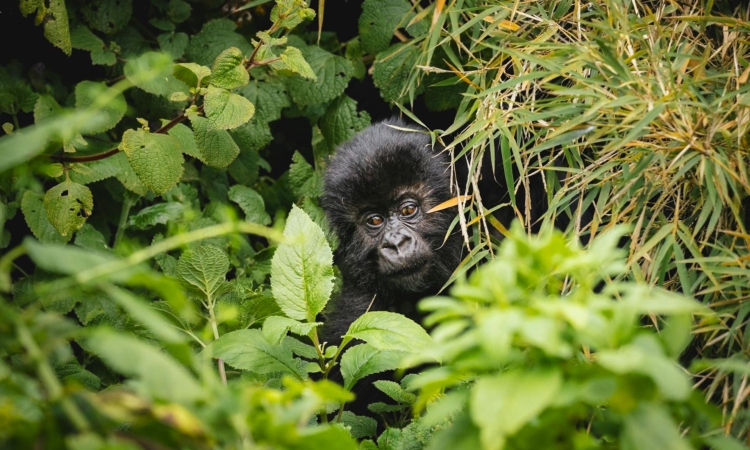
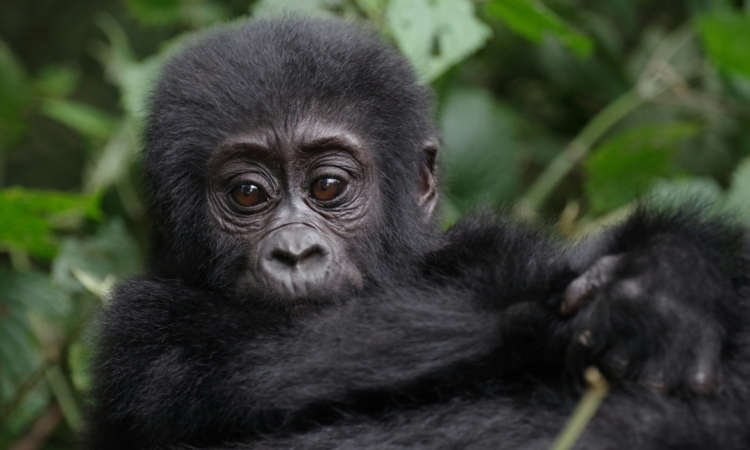
Once you reach the gorillas, you can watch them feeding on shoots and leaves, observe mothers breastfeeding their young, and see the silverback leading and protecting the group. This close, direct encounter forms the centerpiece of the entire trip, regardless of which season brought you to the park.
Weighing Season Against Your Own Priorities
Travelers prioritizing easier trail conditions and a more comfortable physical trek generally lean toward the dry season, accepting the possibility of gorillas ranging farther as a reasonable trade-off. Travelers focused on budget savings, or those less concerned about muddy trails, often find the wet season a smart choice, particularly given the accommodation discounts available during these quieter months.
Neither season guarantees a dramatically different core experience once you actually reach the gorillas, since the one-hour observation period and the rules governing that encounter stay identical year-round. The real difference lies in the journey to reach them and the broader trip costs surrounding your visit.
Book Your Rwanda Gorilla Trekking Safari
Choosing the best time for gorilla trekking in Rwanda comes down to your personal priorities: easier trails during the dry season, or closer gorillas and lower accommodation costs during the wet season. Either way, Volcanoes National Park delivers a genuine, memorable encounter with mountain gorillas.
Book your Rwanda gorilla trekking safari with Gorilla Hurly Burly today. Contact our team to plan your trip around the season that best fits your schedule and priorities.