Gorilla Trekking vs Chimpanzee Trekking

Choosing between gorilla trekking and chimpanzee trekking in Africa comes down to your budget, physical fitness, and the kind of primate encounter you want. Gorilla trekking in Bwindi Impenetrable National Park brings you close to mountain gorillas but involves steep slopes and a higher permit cost of USD 800. Chimpanzee trekking happens on easier terrain and costs around USD 250 per permit.
Gorilla Hurly Burly can help you compare both options and choose the trekking package that fits your travel style.
Understand Primate Trekking Experiences in Africa
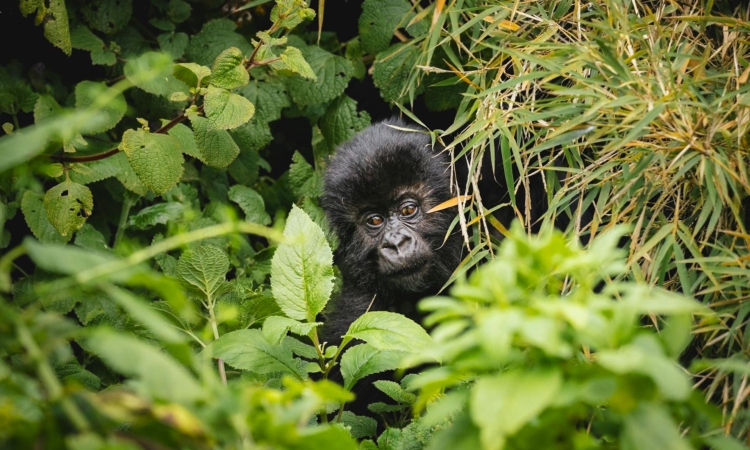
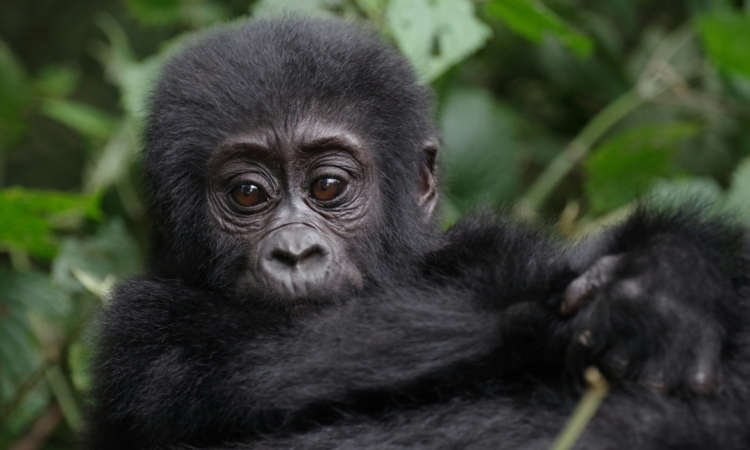
Gorilla and chimpanzee trekking both take place in Africa’s rainforests, giving travelers close encounters with primates that share about 98.8% of human DNA. This genetic closeness is part of what makes both experiences feel so significant, whether you’re watching a silverback lead his family or chimpanzees interacting high in the canopy.
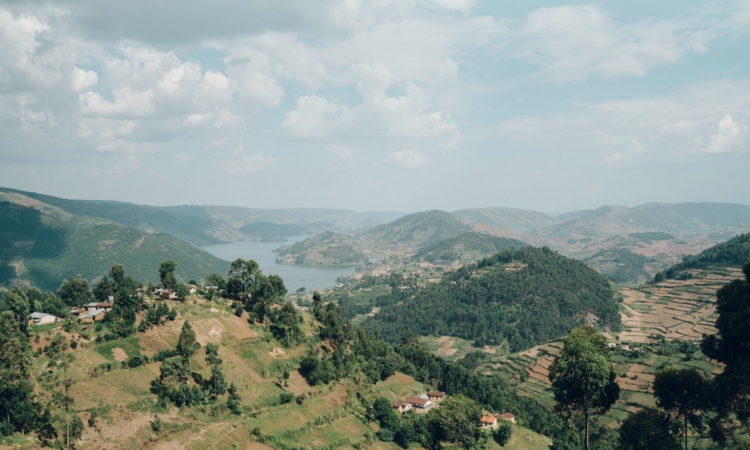
Deciding which experience suits you better depends on cost, personal fitness, and what kind of trek you’re prepared for. Gorilla trekking involves climbing steep mountain slopes in search of gorilla families, since gorillas live at higher elevations than chimpanzees. Trails pass through thick vegetation, and sturdy hiking shoes are essential given how muddy and slippery sections can get, particularly outside the dry season.
Physical Effort Required for Gorilla vs Chimpanzee Trekking
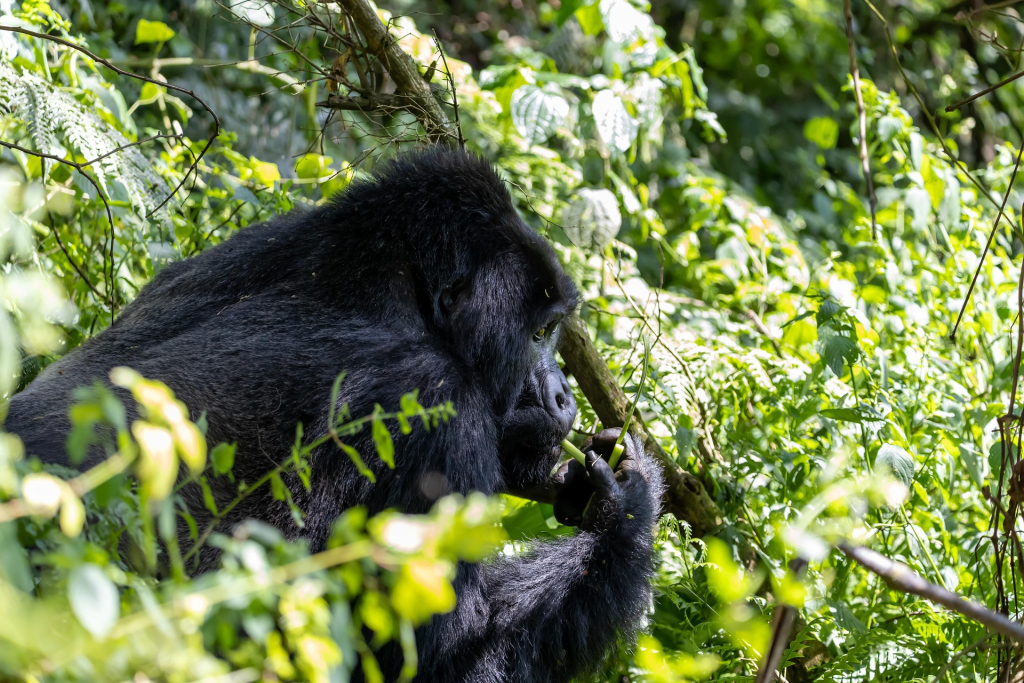
Gorilla trekking demands more physical fitness overall, given the steep, sometimes slippery terrain you need to cover to reach the gorillas’ mountain habitat. Treks can stretch several hours depending on where the gorilla family has moved, and the incline itself adds real difficulty beyond just distance covered.
Chimpanzee trekking takes place in lower, less steep areas, which makes it noticeably less physically demanding. Sturdy hiking boots still matter here, since forest trails remain uneven regardless of elevation, but the overall exertion required is lower than a typical gorilla trek. This makes chimpanzee trekking a more accessible option for travelers without extensive hiking experience or those recovering from previous injuries.
Compare Trekking Permit Costs Before Booking
Cost is one of the biggest differences between the two activities. Gorilla trekking ranks among the most expensive wildlife experiences in tropical Africa, with a permit in Bwindi Impenetrable National Park costing USD 800 per person per trek.
Chimpanzee trekking permits cost significantly less, at around USD 250 per person per trek. For travelers working with a tighter budget, or those who want to add chimpanzee trekking as a secondary activity alongside a gorilla trek, this price gap matters when planning an overall itinerary.
Understand Trekking Rules and Group Size
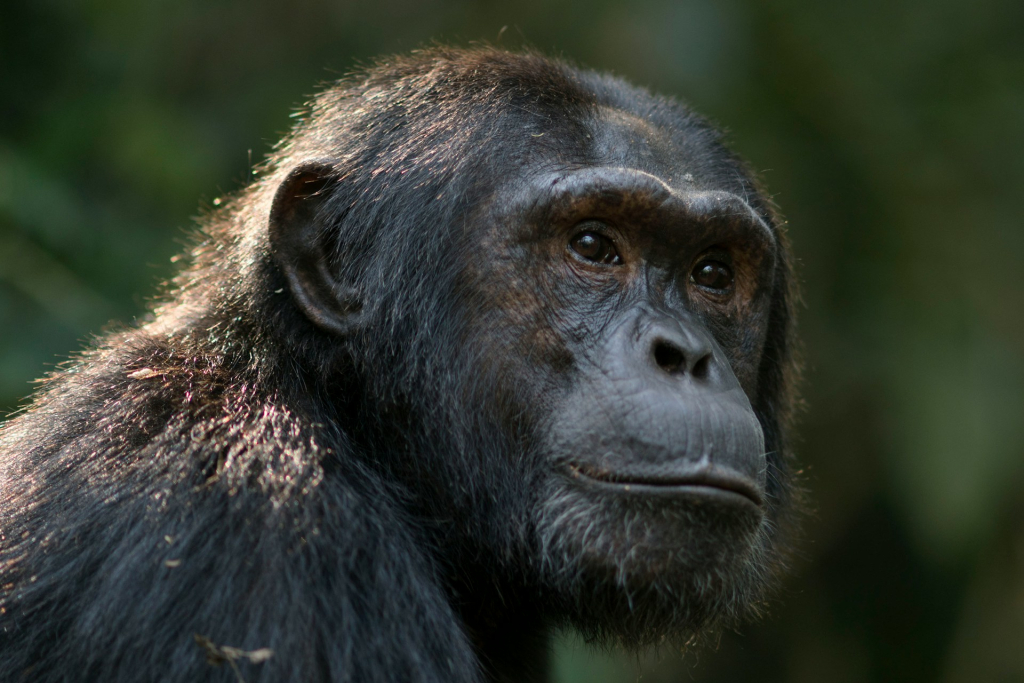
Both gorilla and chimpanzee treks limit visitor groups to 8 people per primate family each day, with a maximum of one hour spent observing them once found. This shared rule exists mainly for disease control, since the genetic closeness between humans and these primates means illnesses can transfer between species more easily than with other wildlife.
The core trekking rules stay consistent across both activities: keep a 7-meter distance from the primates, avoid getting too close even for photos, and no children under 15 are permitted on either trek. These rules protect both the animals and the long-term sustainability of trekking tourism in the region.
Timing also matters for both activities. The best trekking conditions for gorillas and chimpanzees alike fall during the dry season, running from June to September and December to February, when trails stay firmer and easier to navigate regardless of which primate you’re tracking.
Choose the Best Trekking Experience
Gorilla trekking suits experienced hikers and travelers looking for a premium, once-in-a-lifetime wildlife encounter, backed by the higher permit cost and more demanding terrain. Chimpanzee trekking suits budget-conscious travelers or those wanting a moderate physical challenge without sacrificing a genuine primate encounter.
Many travelers choose to combine both activities within a single itinerary, using chimpanzee trekking as a lower-cost, lower-intensity primate experience alongside the more demanding gorilla trek. This combination gives you a fuller picture of Africa’s primate diversity without requiring you to choose only one.
Book Your Primate Trekking Safari
Deciding between gorilla trekking and chimpanzee trekking depends on your budget, fitness level, and what kind of experience you’re after. Gorilla trekking in Bwindi Impenetrable National Park delivers a close encounter with mountain gorillas, but requires climbing steep slopes and paying a higher permit fee of USD 800.
Chimpanzee trekking offers an easier physical experience with a lower permit cost of around USD 250, while still giving you a full hour with a primate family in a small group of 8. Both trekking rules and group sizes stay consistent across the two activities, keeping the experience well-regulated and sustainable.
Book your primate trekking safari with Gorilla Hurly Burly today. Contact our team to compare gorilla and chimpanzee trekking options and plan a well-organized experience that fits your travel style.