Virunga National Park
Virunga National Park sits in the northeastern part of the Democratic Republic of Congo, formerly known as Albert National Park. Established in 1925, the park covers 7,900 square kilometers and ranks among Africa’s most diverse protected areas, home to mountain gorillas, active volcanoes, and glacier-capped peaks. Gorilla Hurly Burly arranges gorilla trekking permits and full safari packages for travelers who want to explore Virunga National Park.
Location and Landscape of Virunga National Park
The southern section of Virunga National Park lies in the northeastern area of Lake Kivu, stretching eastward from Goma town. Between Lake Kivu and Lake Edward stand the Virunga volcanoes: Mikeno, Visoke, Sabyinyo, Nyiragongo, Nyamuragira, and Karisimbi. These volcanoes extend into neighboring Uganda and Rwanda, forming a shared mountain range across three countries.
The northern part of the park features the Mia ya Moto sulfur springs and the Rutshuru Falls. Lake Edward covers much of the park’s central area, while the northeastern section holds the Rwenzori Mountains, which rise over 5,000 meters high and mark one of Africa’s most dramatic mountain landscapes.
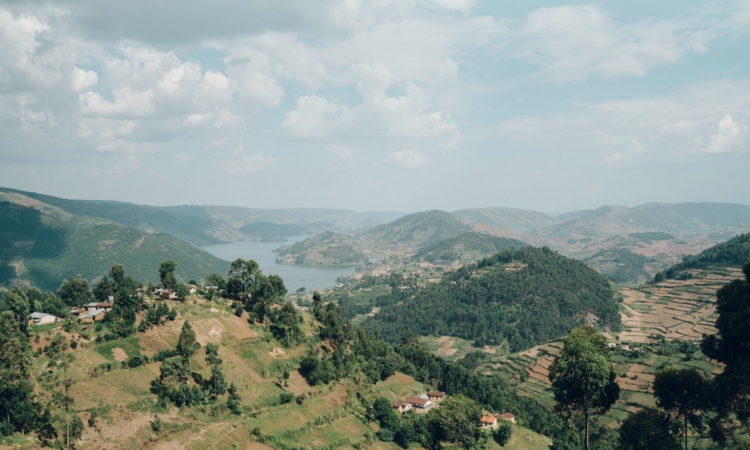
Virunga National Park spans many habitats, elevations, and climates within a single protected area. Rainfall varies significantly across the park. Around Lake Edward, annual rainfall measures about 500mm, while the Rwenzori Mountains, just 75 kilometers to the west, receive around 3,000mm of rain each year, making that section the coolest part of the park. The landscape includes peat bogs, lava plains, savannahs, bamboo forests, tropical rainforests, marshes, and steep vegetation zones, giving Virunga one of the widest ranges of terrain found in any African national park.
History and Conservation Status
UNESCO designated Virunga National Park a World Heritage Site in 1979. Since then, the park has faced serious challenges, including increased human settlement, an influx of refugees fleeing the 1994 Rwanda genocide, deforestation, and poaching. In response to these threats, the park was added to the List of World Heritage Sites in Danger in 1994, a status that reflects both the severity of the challenges and the ongoing effort to protect the park’s ecosystems.
Despite these pressures, Virunga has remained a priority for conservation teams and international organizations working to protect its wildlife and habitats, particularly its population of endangered mountain gorillas.
Wildlife in Virunga National Park
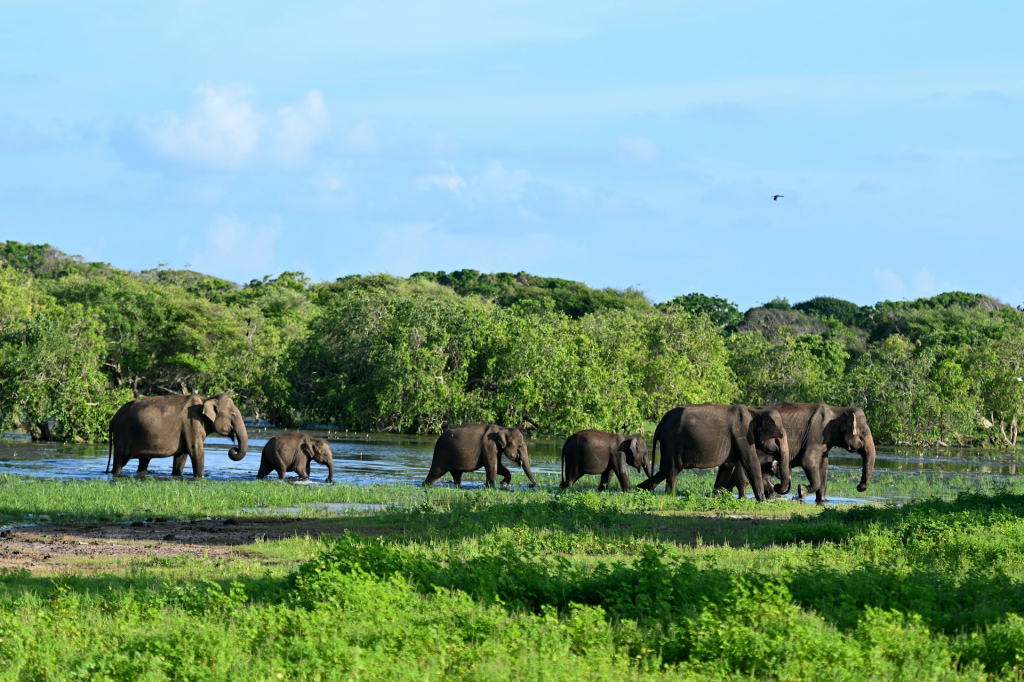
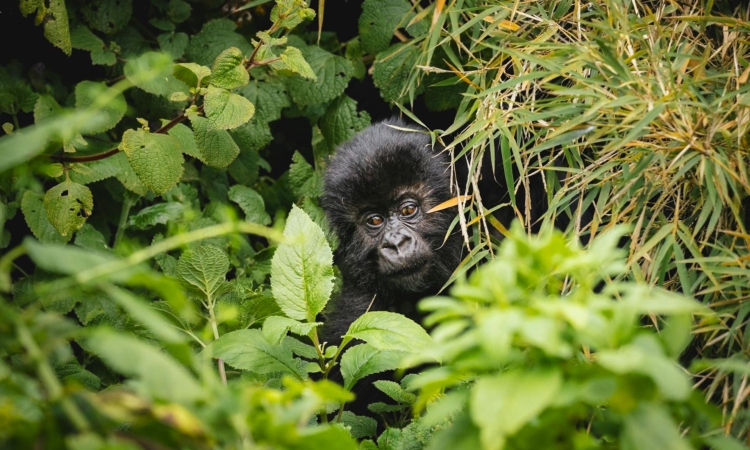
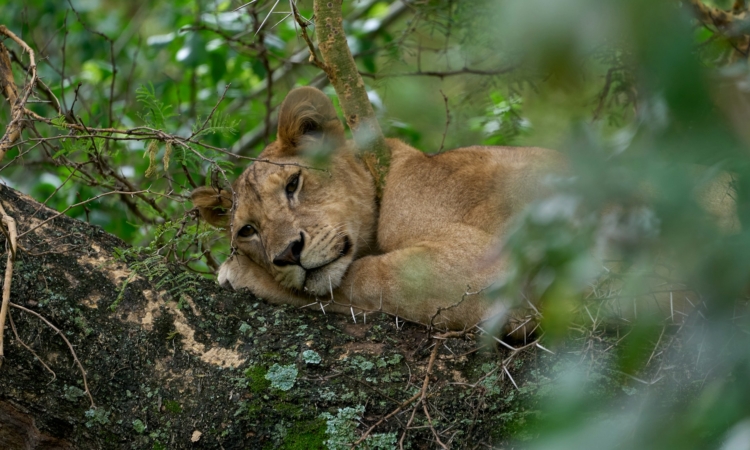
Since the early 20th century, wildlife in Virunga, including elephants and lions, has faced significant threats from poaching and habitat loss. Even so, the park remains one of the most reliable places to see mountain gorillas, antelopes, pelicans, okapis, and warthogs.
Beyond gorillas, Virunga National Park holds elephants, hippos, giant forest hogs, buffaloes, and lions, making it a strong destination for travelers interested in general wildlife viewing alongside primate trekking.
Mountain Gorilla Sanctuary: Senkwekwe Center
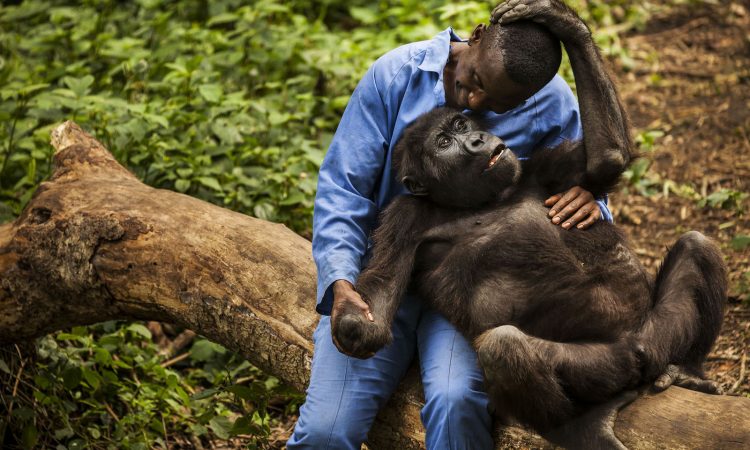
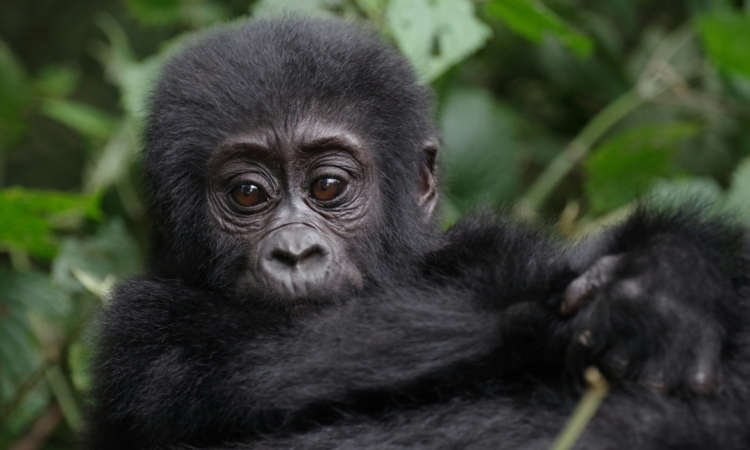
Located near park headquarters in Rumangabo, the Senkwekwe Center stands as the only facility in the world dedicated to orphaned mountain gorillas. At the center, visitors can see how caretakers look after gorillas that lost their families to poaching and other threats, gaining insight into the ongoing work behind gorilla conservation in the region.
Gorilla Trekking in Virunga National Park
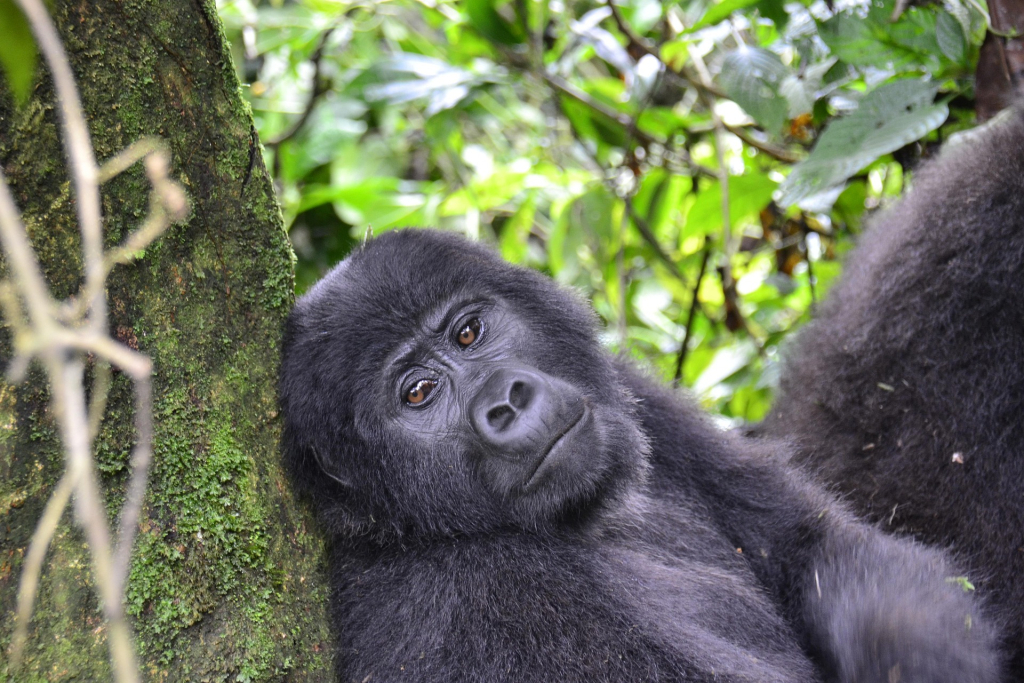
Virunga ranks among Africa’s best destinations for gorilla trekking. On the park’s forested slopes, visitors observe firsthand how intelligent and gentle mountain gorillas are as they move, feed, and interact within their family groups. Trekking to see these gorillas in Virunga National Park is an experience most visitors describe as the highlight of their trip to the Democratic Republic of Congo.
Gorilla Hurly Burly arranges gorilla trekking permits for Virunga National Park along with transport and accommodation, helping travelers plan the full experience without handling each logistical step individually.
Hiking Mount Nyiragongo
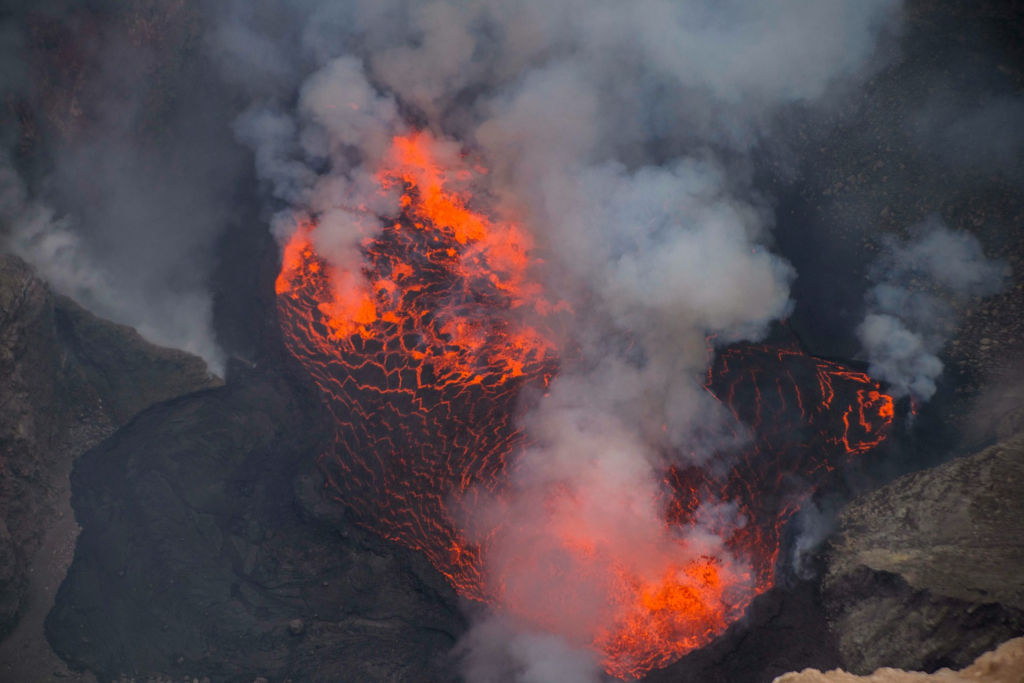
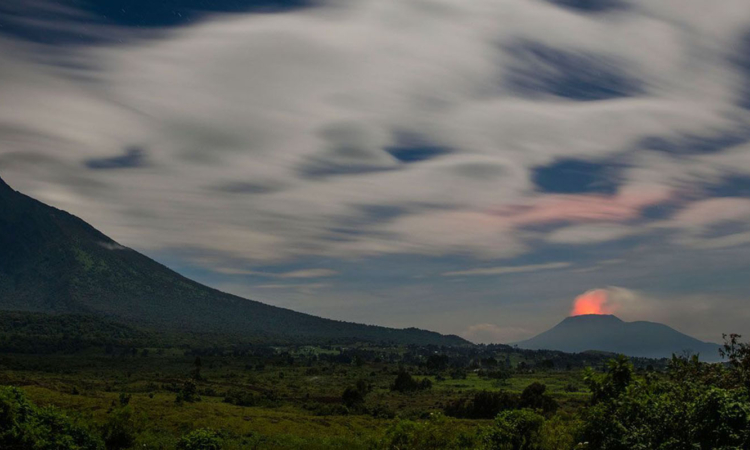
Travelers who want to see the world’s largest lava lake can hike Mount Nyiragongo, the most active volcano in the region. Visitors can also camp at the crater rim overnight, watching the glow of the lava lake after dark. Those interested in longer hikes can explore the Rwenzori Mountains in the park’s northern section, walking through montane forests and reaching Africa’s largest snow-capped glaciers.
The Virunga Mountains
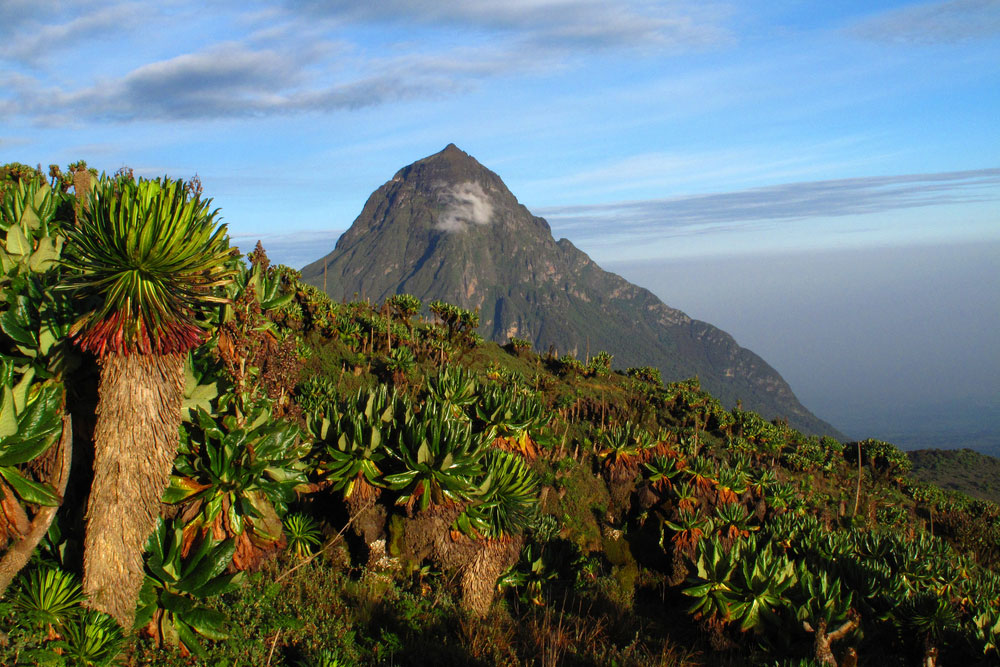
Located along the borders of the Democratic Republic of Congo, Uganda, and Rwanda, the Virunga Mountains stretch about 80 kilometers north toward Lake Kivu. Karisimbi stands as the highest peak in the range, reaching 4,507 meters above sea level.
The Virunga volcanoes take their names from local languages across the region. “Virunga” means “volcanoes” in Swahili, “Mufumbiro” means “that which cooks” in Uganda, “Sabyinyo” means “old man’s teeth” in Kinyarwanda, and “Muhabura” means “landmark” or “guide.”
Mikeno and Sabyinyo rank among the oldest volcanoes in the range, dating back to the Pleistocene era roughly 2.6 million years ago, though their craters have eroded significantly over time. Nyamuragira and Nyiragongo formed more recently, around 2,000 years ago, with Mount Nyiragongo known specifically for its large, active lava lake. The volcano has erupted several times throughout recorded history, including in 1912, 1938, 1948, the 1970s, 2002, and 2021.
Where to Stay in Virunga National Park
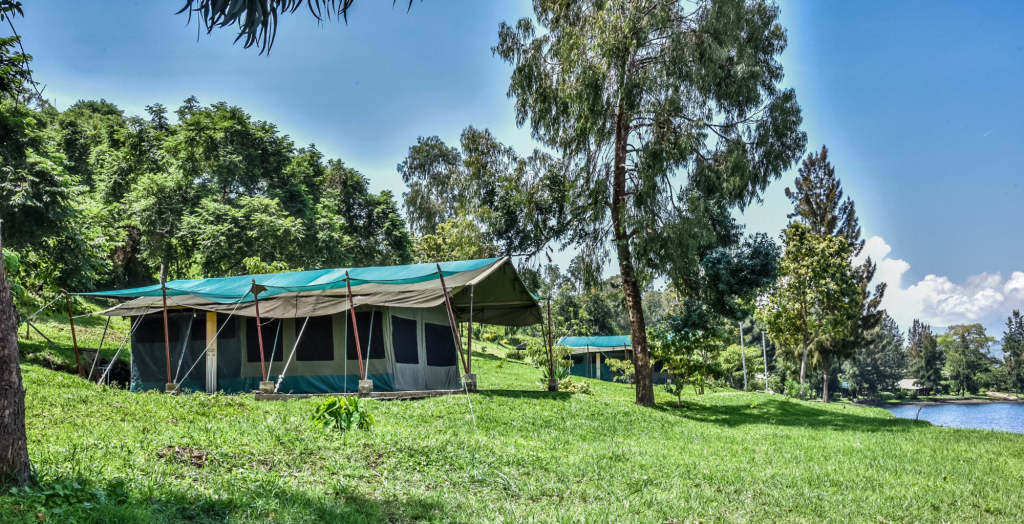
Virunga National Park offers a range of accommodation options for different budgets and preferences. Choices include Tchegera Island, Bukima Tented Camp, Kibumba Tented Camp, located near the gorilla trekking starting point, and Mikeno Lodge. Gorilla Hurly Burly can help match you with the right accommodation based on your itinerary and trekking schedule.
How to Get to Virunga National Park
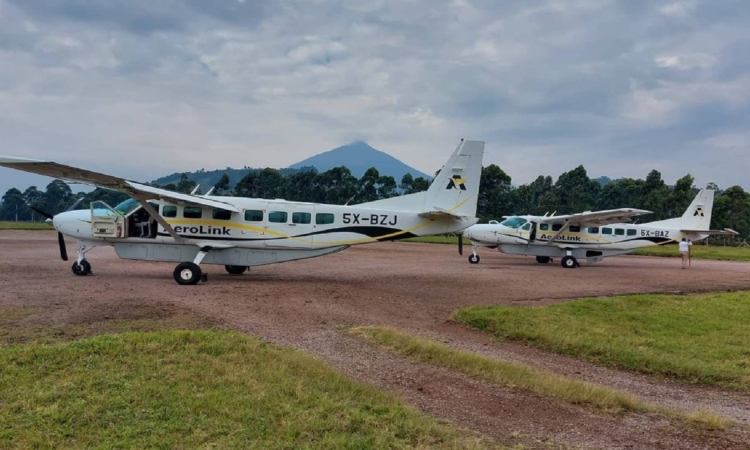
The roads leading to Virunga National Park are rugged in places but pass through scenic plantations and local communities along the way. One common route involves flying into Kigali International Airport in Rwanda, then driving to the park via the Gisenyi border, crossing into the Democratic Republic of Congo past Goma, and continuing about three hours to park headquarters.
Travelers coming from Uganda can use the Bunagana border near Kisoro, though this route sees less traffic than others. Alternatively, using the Cyanika border means traveling first through Rwanda before crossing into the Democratic Republic of Congo, a route that takes a full day to reach Virunga National Park.
Plan Your Trip to Virunga National Park
Virunga National Park combines gorilla trekking, active volcano hikes, glacier-capped peaks, and diverse wildlife within one protected area, making it a strong choice for travelers seeking variety in a single destination. Gorilla Hurly Burly handles permits, transport, and accommodation for trips to Virunga National Park, whether you plan to focus on gorilla trekking, volcano hiking, or a combination of both.
Contact our team today to check gorilla trekking permit availability for Virunga National Park and start planning your route through the Democratic Republic of Congo.