Uganda vs Rwanda for Gorilla Trekking

Comparing Uganda vs Rwanda for gorilla trekking comes down to budget, accessibility, trekking difficulty, and the kind of overall trip you want. Uganda offers trekking in Bwindi Impenetrable National Park and Mgahinga at a lower permit cost of USD 800, plus gorilla habituation for four hours with mountain gorillas. Rwanda offers trekking in Volcanoes National Park at a higher permit cost of USD 1,500, with easier access from Kigali and gentler trails.
Gorilla Hurly Burly arranges gorilla trekking safaris in both countries, helping you compare cost, logistics, and experience before you commit to either destination.
Gorilla Trekking in Uganda and Rwanda: Key Differences

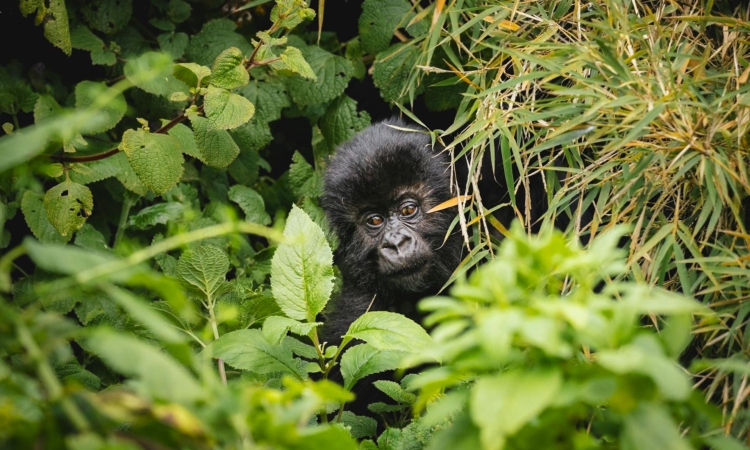
Uganda and Rwanda stand as the two leading destinations for gorilla trekking, holding the highest concentrations of mountain gorillas compared to the Democratic Republic of Congo. In Uganda, trekking takes place in Bwindi Impenetrable National Park and Mgahinga, while in Rwanda, it happens exclusively in Volcanoes National Park.
Both countries deliver genuine, closely regulated encounters with mountain gorillas, so the right choice depends less on quality of the sighting and more on your budget, physical fitness, and preferred travel pace. Comparing the two destinations across cost, accessibility, trekking difficulty, and accommodation helps clarify which one fits your specific trip.
Gorilla Permit Cost Comparison: Uganda vs Rwanda
Permit pricing marks one of the clearest differences between the two countries. A gorilla permit in Uganda costs USD 800 for foreign non-residents, USD 700 for foreign residents, and UGX 300,000 for East African citizens. This pricing has stayed relatively stable and positions Uganda as the more affordable of the two mainstream trekking destinations.
In Rwanda, a permit costs USD 1,500 for foreign non-residents and USD 500 for East African citizens, nearly double Uganda’s rate for international visitors. This price gap alone often becomes the deciding factor for budget-conscious travelers, particularly those planning multiple trekking days or traveling as a family, where permit costs multiply quickly across several people.
For travelers prioritizing value without compromising on the core gorilla encounter, Uganda’s lower permit cost makes a meaningful difference in overall trip budget, especially when combined with Uganda’s generally lower accommodation and transport costs as well.
Accessibility and Travel Time to Gorilla Trekking Parks
Accessibility strongly favors Rwanda for travelers prioritizing convenience and shorter transit times. Volcanoes National Park sits roughly two hours from Kigali International Airport by road, making it possible to fly in, transfer to the park, and start trekking within the same day or the following morning.
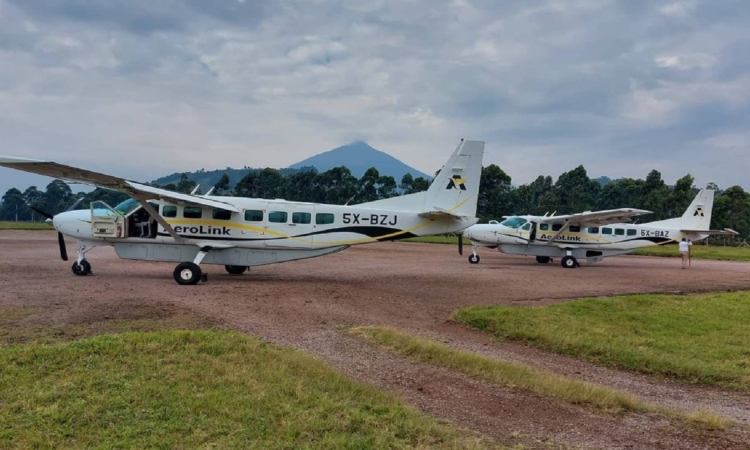
Uganda’s Bwindi Impenetrable National Park requires considerably more travel time, sitting 8 to 10 hours by road from Entebbe International Airport or Kampala. While domestic flights to airstrips near Bwindi can cut this travel time significantly, they add extra cost that partially offsets Uganda’s lower permit price. Overland travelers factoring in road transfer time should budget a full day of travel each way when planning a Uganda-based itinerary.
This accessibility gap matters most for travelers with limited vacation days, since Rwanda’s shorter transfer time leaves more days available for the actual trekking experience rather than transit between the airport and the park.
Trekking Experience and Terrain Difficulty
Terrain and trekking difficulty differ noticeably between the two parks. Rwanda’s Volcanoes National Park generally offers less steep, less muddy trails, making the physical demands of trekking somewhat more manageable for a broader range of fitness levels. This doesn’t mean Rwanda’s treks are easy, since altitude and distance still require reasonable fitness, but the terrain itself tends to be gentler than Uganda’s.
Uganda’s Bwindi lives up to its “impenetrable” name, with thick forest cover and steeper, often muddier trails that demand more physical effort and stamina. Trekkers here should expect a more physically demanding hike overall, particularly during wetter months when trail conditions worsen further.
This difference in terrain naturally shapes who each destination suits best. Travelers seeking an easier physical experience, including older travelers or those with moderate fitness levels, may find Rwanda’s gentler trails more appealing. Experienced hikers looking for a greater physical challenge alongside their wildlife encounter often prefer Uganda’s more demanding terrain.
Accommodation Options in Uganda and Rwanda
Rwanda has built a more developed luxury tourism sector around gorilla trekking, with numerous high-end lodges positioned near Volcanoes National Park catering specifically to travelers willing to pay a premium for top-tier comfort and service. This luxury infrastructure aligns with Rwanda’s higher permit pricing, creating a cohesive premium experience from permit to lodge to trek.
Uganda offers a wider spread of budget and mid-range accommodation options around Bwindi and Mgahinga, with fewer ultra-luxury properties compared to Rwanda. This makes Uganda a stronger fit for travelers building a value-conscious itinerary who don’t need five-star lodging to enjoy their trekking experience.
Travelers should note that both countries do offer accommodation across multiple price points, so neither destination locks you into one budget tier exclusively, but the overall market skews toward luxury in Rwanda and toward affordability in Uganda.
Wildlife and Gorilla Experience Beyond the Trek
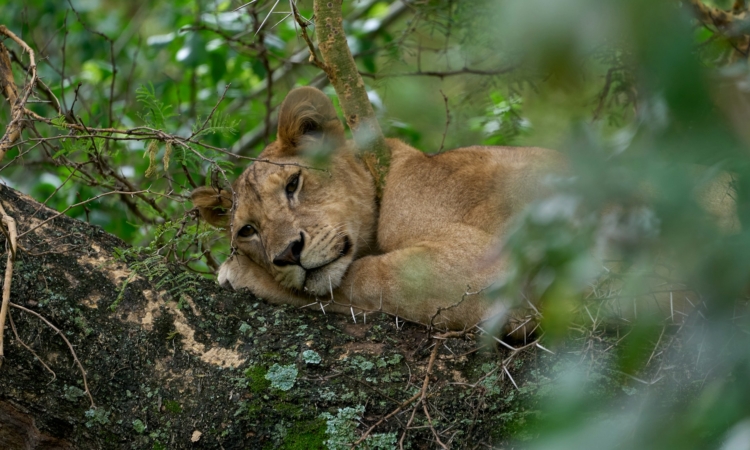
Uganda offers considerably more wildlife diversity beyond gorilla trekking itself, with parks like Queen Elizabeth National Park and Murchison Falls National Park providing access to the Big Five and a wide range of other species within the same country. Travelers building a broader wildlife safari alongside their gorilla trek often find Uganda easier to combine into one seamless itinerary.
Rwanda’s tourism industry centers much more tightly around gorilla trekking as the primary draw, with Akagera National Park offering some additional savanna wildlife viewing, though on a smaller scale than Uganda’s major parks. Travelers focused purely on the gorilla encounter, without much interest in broader wildlife viewing, may not see this as a drawback.
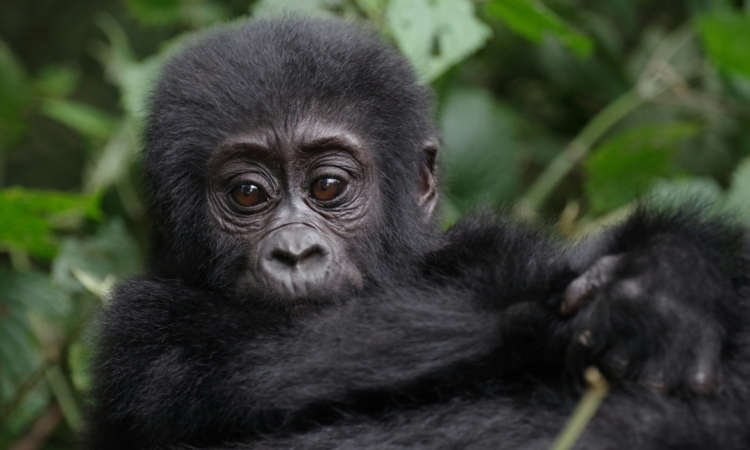
In terms of time spent with the gorillas themselves, both countries allow one hour of observation during a standard trek, keeping this core element of the experience consistent regardless of which country you choose. Uganda does offer one notable addition here: gorilla habituation in Bwindi, which extends your time with a gorilla family to about four hours instead of the standard one hour, giving a genuinely different depth of experience for travelers willing to pay the higher habituation permit cost.
Which Country Should You Choose?
Your decision between Uganda and Rwanda ultimately comes down to which factors matter most for your specific trip. Travelers prioritizing budget, physical challenge, extended time with gorillas through habituation, and the option to combine trekking with broader wildlife viewing tend to lean toward Uganda. The trade-off is longer travel time to reach the park and generally less luxurious accommodation options.
Travelers prioritizing convenience, shorter travel time, gentler trails, and access to high-end luxury lodges tend to lean toward Rwanda. The trade-off here is the significantly higher permit cost and a narrower focus on gorilla trekking alone, without the same breadth of additional wildlife experiences available within the same country.
Some travelers avoid choosing entirely by combining both destinations into a single East Africa itinerary, trekking in one country and adding a shorter visit to the other, though this requires additional time and budget for cross-border travel between Uganda and Rwanda.
Book Your Gorilla Trekking Safari in Uganda or Rwanda
Choosing between Uganda and Rwanda depends on your budget, available travel time, and preferred trekking difficulty. Uganda offers gorilla trekking in Bwindi Impenetrable National Park and Mgahinga at a lower permit cost of USD 800, more budget accommodation options, and the added option of gorilla habituation for four hours with mountain gorillas.
Rwanda offers trekking in Volcanoes National Park at a higher permit cost of USD 1,500, with easier access from Kigali, shorter overall travel time, and a more developed luxury lodge sector.
Compare both options carefully against your own priorities, then book your gorilla trekking safari with Gorilla Hurly Burly. Contact our team to plan a well-organized trip to either Uganda or Rwanda, or to combine both destinations into one broader East Africa itinerary.