Gorilla Trekking in Peak Season
Gorilla trekking in peak season, applicable across Uganda, Rwanda, and DR Congo, offers some of the best conditions of the year, but it also comes with higher demand and more competition for permits. Peak season runs June to September and December to February, bringing dry weather and generally easier hiking conditions across all three countries.
Gorilla Hurly Burly can help you navigate peak season booking, from permits to accommodation to transport, so you’re not left scrambling as your travel dates approach.

Higher Competition for Gorilla Permits
Peak season draws significantly more tourists than the quieter shoulder months, which means competition for gorilla permits climbs sharply during these windows. Booking your permit at least 3 to 6 months ahead of your trekking date is worth doing to avoid missing out entirely, since popular sectors in Uganda, Rwanda, and Congo can sell out well before the season actually begins.
Accommodation Demand and Pricing
Lodges and camps near trekking parks also see a surge in visitors during peak season, which pushes room prices upward and shrinks overall availability. Booking your accommodation early alongside your permit helps you secure a place to stay at a fairer price, rather than settling for whatever’s left closer to your travel date at a premium rate.
Transport Planning During Busy Months
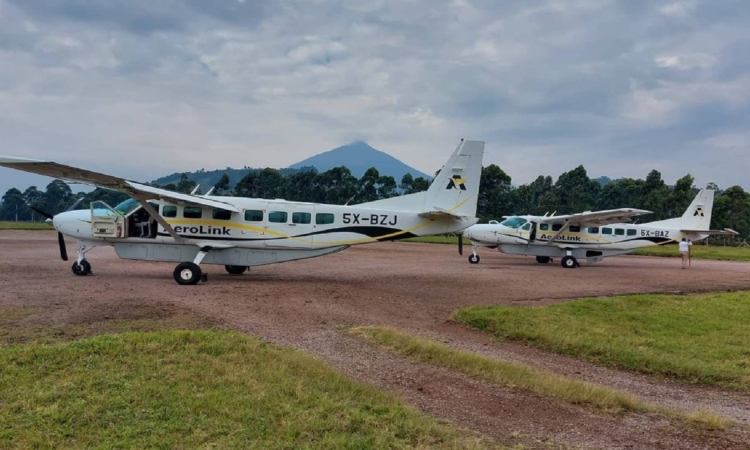
Transport logistics deserve the same early attention as permits and lodging. Safari vehicles and experienced guides are in high demand throughout peak season, and waiting too long to arrange transport can leave you with fewer choices, or higher prices for whatever remains available.
Trail Conditions and Physical Preparation
Dry season conditions mean trails run less muddy and generally easier to walk compared to wetter months. That said, the underlying terrain across Bwindi, Volcanoes National Park, and Congo’s gorilla parks stays steep regardless of season, so physical preparation still matters even when trail conditions favor you.
Even during peak dry months, rain can still fall unexpectedly, so packing the right gear remains essential rather than optional. Waterproof hiking shoes, a rain jacket, a sweater for cooler mornings, and other basic trekking essentials should make it into your bag regardless of how reliably dry the season has been running.
Easier Gorilla Sightings
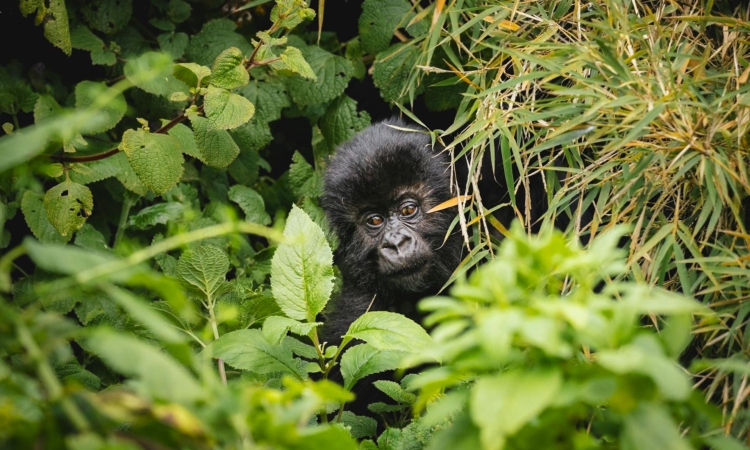
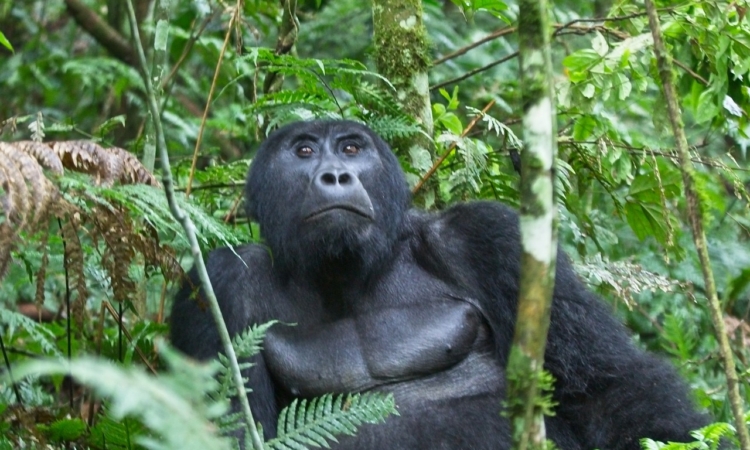
One of peak season’s biggest advantages is thinner forest vegetation, which makes both walking through the forest and spotting gorillas noticeably easier once you’re on the trail. Less dense undergrowth means fewer obstacles between you and a clear view of the gorilla family once your guide locates them.
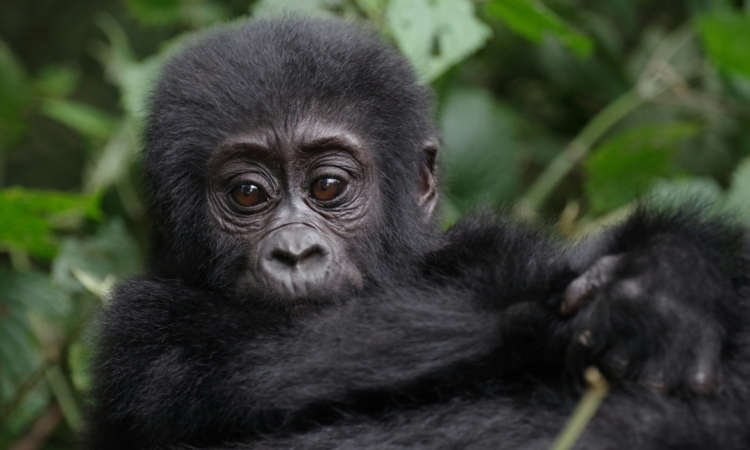
This same thinner vegetation benefits photography significantly, since clearer skies and fewer leaves blocking your line of sight make it easier to capture sharp, unobstructed photos during your hour with the gorillas. Visibility throughout the forest also improves overall, letting you watch gorilla behavior with fewer visual obstructions compared to trekking during the denser, greener wet season months.
A More Social Trekking Experience
Peak season naturally brings more tourists into the same parks and lodges, creating a livelier, more social atmosphere than you’d find during quieter months. Travelers from many different countries converge during these busy windows, giving you natural opportunities to interact, swap travel stories, and share experiences with people you’d likely never cross paths with during the off season.
For travelers who enjoy this social dimension of travel, peak season adds real value beyond just the trekking conditions themselves, turning lodge evenings and shared transport into an extension of the overall experience rather than just logistics between trekking days.
Balancing the Trade-Offs of Peak Season
Peak season trekking genuinely offers some of the best physical conditions of the year: drier trails, thinner vegetation, and easier gorilla sightings. The trade-off comes in the form of higher costs, tighter permit competition, and busier parks and lodges throughout your stay.
Travelers who prioritize ideal trekking conditions above all else tend to find peak season worth the extra planning and cost, particularly if they can book far enough in advance to avoid the worst of the competition for permits and accommodation. Travelers more sensitive to cost or crowd levels might find the shoulder or wet seasons a better overall fit, even with muddier trails and thicker vegetation as the trade-off.
How to Prepare for Peak Season Trekking
Successful peak season trekking comes down to early action across every part of your trip: securing your permit months in advance, locking in accommodation before prices climb further, arranging transport before vehicles and guides become scarce, and packing complete trekking gear despite the generally favorable weather. None of these steps are complicated individually, but skipping any one of them can create real friction once you’re closer to your actual travel dates.
Book Your Peak Season Gorilla Trek
Gorilla trekking in peak season delivers a strong mix of dry weather, easier trails, thinner vegetation for better sightings, and a lively social atmosphere across Uganda, Rwanda, and DR Congo. The trade-off is a busier season that rewards early, careful planning.
Book your gorilla trekking safari with Gorilla Hurly Burly today. Contact our team to secure your permit, accommodation, and transport well ahead of peak season demand.