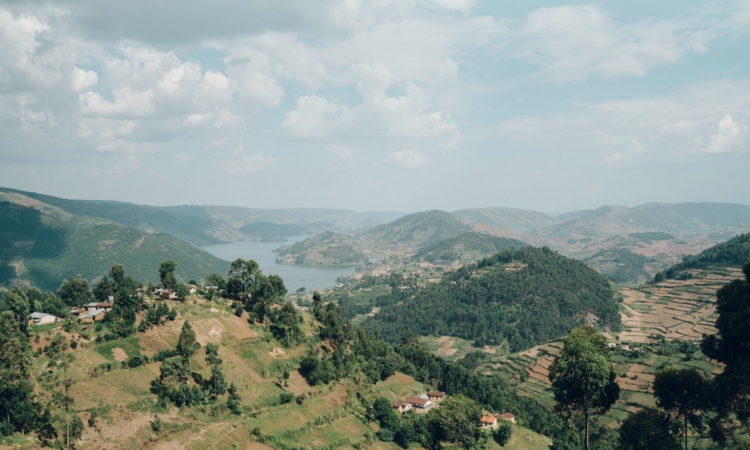
Best Time to Visit Uganda

Uganda welcomes visitors year-round, but understanding the country’s two dry and two wet seasons helps you plan around the conditions that matter most for your trip. Daytime temperatures stay warm throughout the year, ranging from 25 to 29 degrees Celsius, dropping to 17 to 18 degrees at night, with mountain areas staying cooler than the lowlands regardless of season.
Gorilla Hurly Burly can help you time your Uganda trip around the season that best fits your planned activities, whether that’s gorilla trekking, birdwatching, or general wildlife viewing.

Uganda’s Climate Overview
Most of Uganda, aside from the semi-arid northeast, receives between 1,000 and 1,500mm of rainfall annually. One notable feature of Uganda’s climate is how quickly the weather recovers after rain, with sunshine typically returning soon after even heavy downpours, which keeps outdoor activities from being disrupted for long stretches.
June to August: The Longest Dry Season
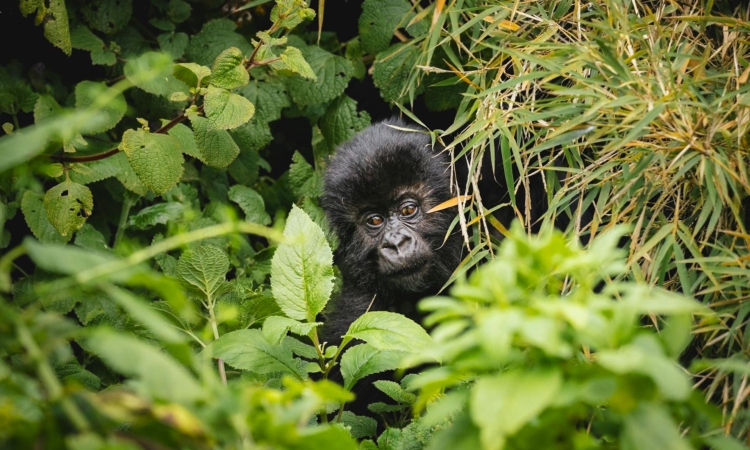
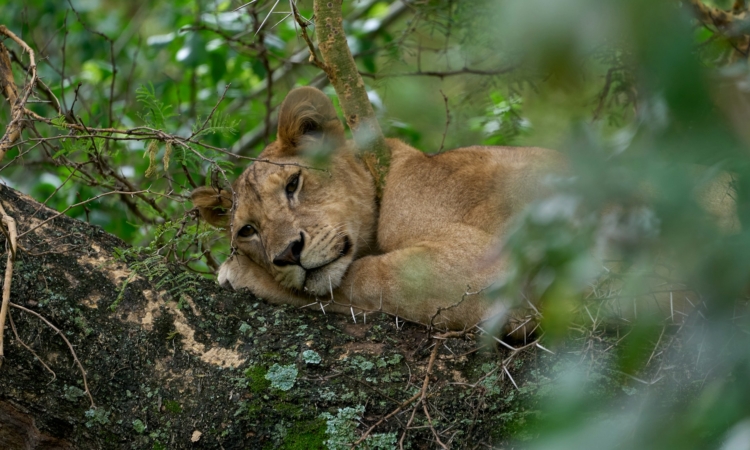
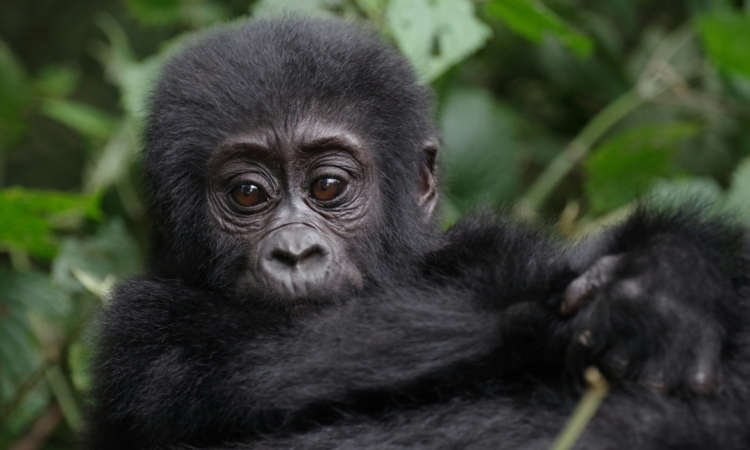
June through August marks Uganda’s longest dry season and also its peak travel period. This stretch offers some of the best conditions for wildlife viewing and gorilla trekking, since roads to tourist sites stay in good condition, grass in the parks grows shorter, making animals easier to spot, and wildlife tends to gather around water sources during these drier months.
This combination of factors makes June to August a strong choice for travelers prioritizing reliable trekking conditions and strong wildlife sightings, though it also means higher demand for permits and accommodation given how many visitors travel during this window.
December to February: The Shorter Dry Season
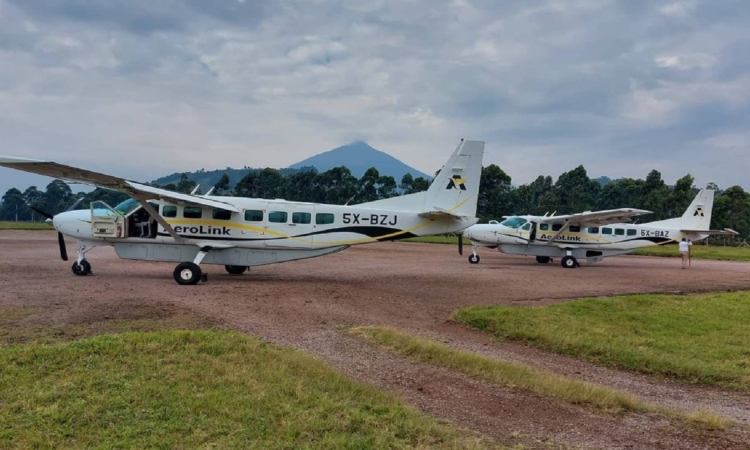
December through February brings Uganda’s second dry season, generally quieter than the June to August peak. Parks see fewer visitors during this period, roads remain in good condition, and trekking and walking trails stay easy to navigate thanks to the drier ground.
Travelers who want dry-season trekking conditions without the crowds of the mid-year peak often find this shorter window a strong alternative, particularly if they’re also hoping to combine their trip with festive season travel around Christmas and New Year.
September to November: The Short Wet Season
September through November brings Uganda’s shorter wet season, and while trails get muddier during this period, it comes with its own distinct advantages. This window marks the best time for birdwatching, since migratory birds from Europe and North Africa arrive in Uganda during these months, adding significant variety for birding enthusiasts.
Photography also benefits from this season, since vegetation stays green and relatively short, creating strong visual conditions for capturing wildlife and landscapes. Chimpanzee tracking becomes notably easier too, since abundant food on the forest floor keeps chimps from moving deep into less accessible parts of the forest.
March to May: The Longest Wet Season
March through May marks Uganda’s longest wet season, and while sunshine often follows rain showers, letting planned activities continue, this period presents real challenges for certain types of travel. Roads to some tourist destinations become more difficult to navigate, and thick vegetation in the parks makes wildlife spotting and gorilla trekking noticeably harder than during drier months.
Travelers who don’t mind these added challenges can still find worthwhile experiences during this season, often paired with lower prices and quieter parks, but those prioritizing easy trekking conditions should generally look toward the dry season windows instead.
Choosing the Right Season for Your Trip
The best overall time to visit Uganda falls during the dry seasons, June to August and December to February, when trekking conditions, road access, and wildlife visibility all align favorably. That said, visiting during the wet seasons remains entirely possible and even advantageous for specific interests like birdwatching or chimpanzee tracking, provided you’re prepared for muddier trails and less predictable road conditions.
Regardless of which season you choose, Uganda’s weather carries some inherent unpredictability, and rain can occur even during the driest months. Building some flexibility into your itinerary, rather than assuming guaranteed dry conditions, helps you adapt smoothly if weather doesn’t match seasonal averages exactly.
Why Uganda Draws Travelers Year-Round
Known as the Pearl of Africa, Uganda holds an unusual concentration of natural highlights within one landlocked country: the source of the world’s longest river, some of the continent’s most powerful waterfalls, snow-capped mountains, half of the world’s mountain gorilla population, and a wide network of game parks and reserves. This diversity is part of why Uganda remains a strong destination regardless of which season you end up traveling in, since different months simply highlight different strengths of the country rather than making any single visit less worthwhile.
Plan Your Trip to Uganda
Choosing the best time to visit Uganda comes down to matching the season to your specific priorities, whether that’s dry-season trekking, birdwatching during the migratory season, or chimpanzee tracking when food keeps them closer to accessible trails.
Book your Uganda safari with Gorilla Hurly Burly today. Contact our team to plan your trip around the season that best fits your travel goals, from gorilla trekking to wildlife viewing across Uganda’s parks.