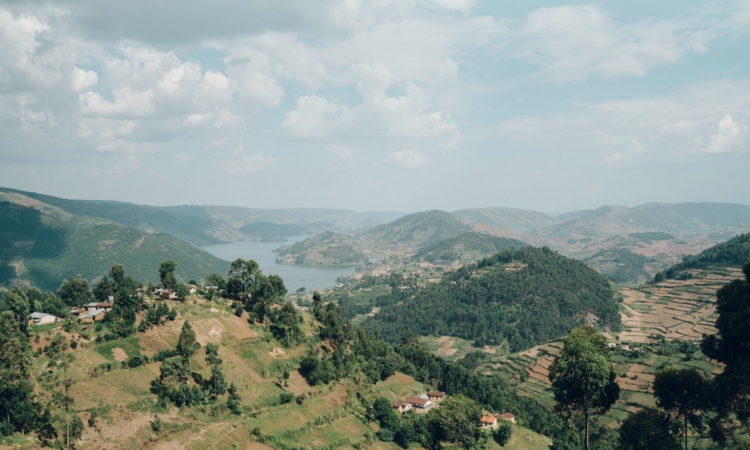
Is Off-Season Gorilla Trekking Worth It?

Off-season gorilla trekking is worth it for many travelers, offering a genuine chance to see mountain gorillas while saving money, avoiding crowds, and enjoying a quieter overall experience. The off-season typically falls during the rainy months, March to May and October to November, across Uganda, Rwanda, and Congo.
Gorilla Hurly Burly can help you weigh the trade-offs of off-season trekking and plan a trip that takes advantage of the savings without catching you off guard on trail conditions.
Discounted Accommodation and Transport
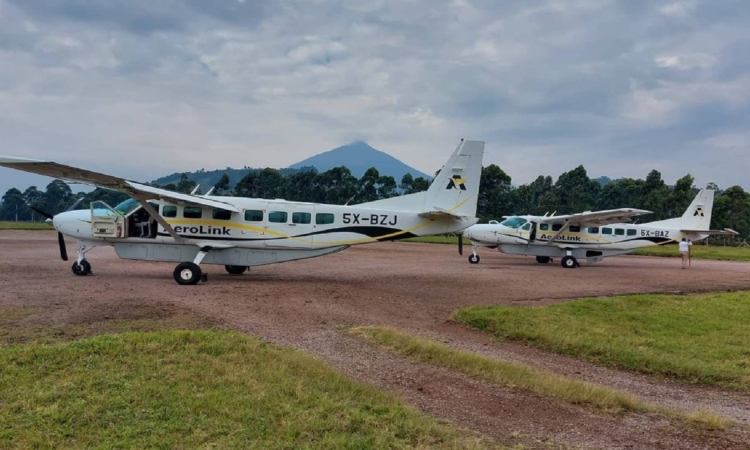
Many lodges close entirely during the off-season, but those that stay open often lower their room prices to attract the smaller pool of visitors still traveling. Safari vehicles follow a similar pattern, with many sitting unused during the rainy months. Rather than let them sit idle and risk damage from disuse, owners often rent them out at reduced rates, creating real savings for travelers willing to book during this period.
Fewer Crowds Throughout Your Trip
Off-season travel brings noticeably fewer tourists, which translates into more space at lodges and generally more personalized service from staff who aren’t managing peak-season volume. This quieter atmosphere extends to the trek itself, giving you a better chance at peaceful, less crowded moments with the gorillas compared to the busier dynamic of peak season trekking.
Easier Permit Availability
Getting a gorilla permit is the essential first step for any trekking trip, and off-season travel makes this step considerably easier. Fewer tourists want to travel during the rainier months, which means permits stay more available, sometimes even allowing last-minute bookings without the scramble that defines peak season permit hunting.
Better Opportunities for Local Connection
Local communities near the parks tend to be less busy during the off-season, since tourism traffic slows considerably. This creates more natural opportunities to talk with locals, learn about their culture, and engage more meaningfully than the brief, transactional interactions that often characterize busier peak season visits.
Gorillas Often Stay Closer During Off-Season
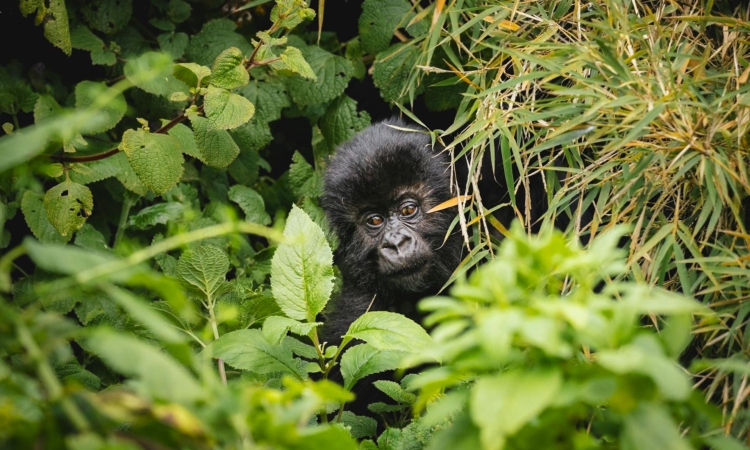
Rain during the off-season increases food availability at lower altitudes, which means gorillas tend to stay closer to the base of the forest rather than ranging higher in search of food. This often translates into shorter, more manageable treks, giving you extra time and energy for other activities once your gorilla encounter wraps up.
Possible Disadvantages of Off-Season Trekking
Off-season trekking isn’t without genuine drawbacks worth considering before you book. Wet, muddy trails are the most obvious challenge, since rain makes walking harder and demands more physical effort than the firmer trails typical of dry season months. More frequent rain during the trek itself can also interrupt the experience, whether that means pausing under tree cover or simply dealing with wet gear throughout the hike.
Weighing the Trade-Offs
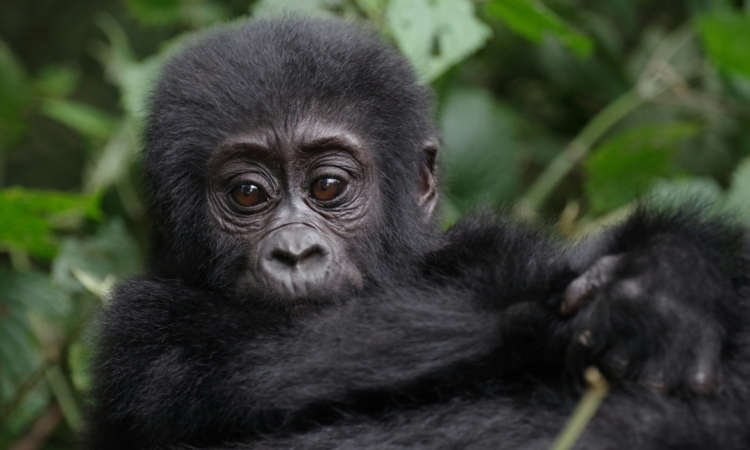
Off-season trekking essentially trades trail difficulty for cost savings, quieter parks, and easier logistics across permits, accommodation, and transport. Travelers who prioritize budget and a more personal, less crowded experience often find these trade-offs well worth accepting, particularly since the core gorilla encounter, one hour of close observation, stays identical regardless of season.
Travelers who prioritize easy, predictable trail conditions above all else might still prefer peak season, even at higher cost and with larger crowds, simply because dry trails reduce physical strain during an already demanding hike.
Planning Ahead for Off-Season Success
While off-season permits are generally easier to secure, planning ahead still helps, particularly for confirming which lodges remain open and arranging transport with operators who keep vehicles running through the rainy months. Not every lodge or transport company continues operating at full capacity during the off-season, so confirming availability before committing to specific dates avoids unpleasant surprises once you’ve already booked flights.
Packing for Off-Season Conditions
Given the higher likelihood of rain and muddier trails, off-season trekkers should prioritize waterproof gear even more carefully than dry season travelers. A reliable rain jacket, waterproof hiking boots, and a dry bag for electronics and camera equipment all become more important when trekking during these wetter months.
Who Benefits Most From Off-Season Trekking
Budget-conscious travelers, those seeking a quieter and more personal experience, and anyone with flexible travel dates who doesn’t mind muddier trails tend to benefit most from off-season trekking. Photographers focused on capturing the lush, green off-season forest, rather than the thinner peak-season vegetation, may also find this period appealing for different visual reasons than dry season trekking offers.
Book Your Off-Season Gorilla Trek
Off-season gorilla trekking is genuinely worth considering, especially for travelers who plan ahead and come prepared for wetter trail conditions. The combination of lower costs, easier permit access, fewer crowds, and closer gorillas often outweighs the added physical demands of muddier trails.
Book your off-season gorilla trekking safari with Gorilla Hurly Burly today. Contact our team to check permit availability and confirm lodge and transport options for your preferred off-season travel dates.