How Difficult Is Gorilla Trekking

Book your gorilla trekking safari with Gorilla Hurly Burly and understand How Difficult Is Gorilla Trekking before you go. Gorilla trekking in Uganda, Rwanda, and Congo takes place at high elevations with thick vegetation in Bwindi, Mgahinga, Volcanoes, and Virunga National Parks. The trek needs a reasonable level of fitness, but porters are available to help with luggage.
Gorilla Trekking Difficulty Level and Fitness Requirements
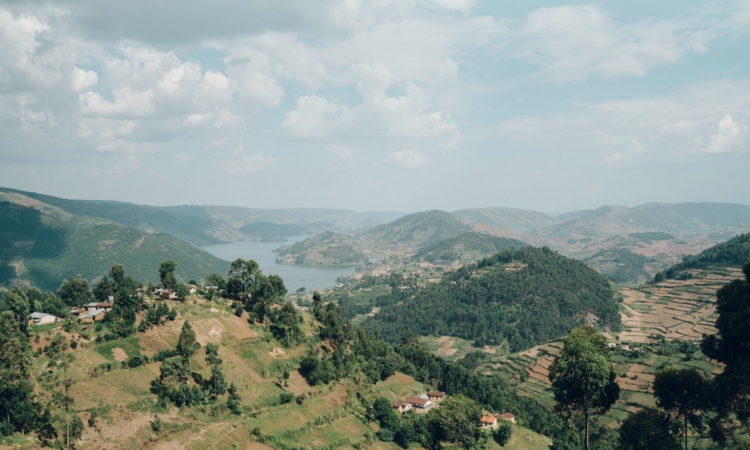
Gorilla trekking is a once-in-a-lifetime experience, but it requires reasonable physical fitness. Treks happen at elevations between 2,600 and 4,500 meters through thick vegetation and unpredictable weather.
If you carry heavy luggage, you can hire a porter for USD 10 to 20. Doing some physical exercise before your trip helps you handle steep slopes more comfortably during the trek.

Where Gorilla Trekking Takes Place
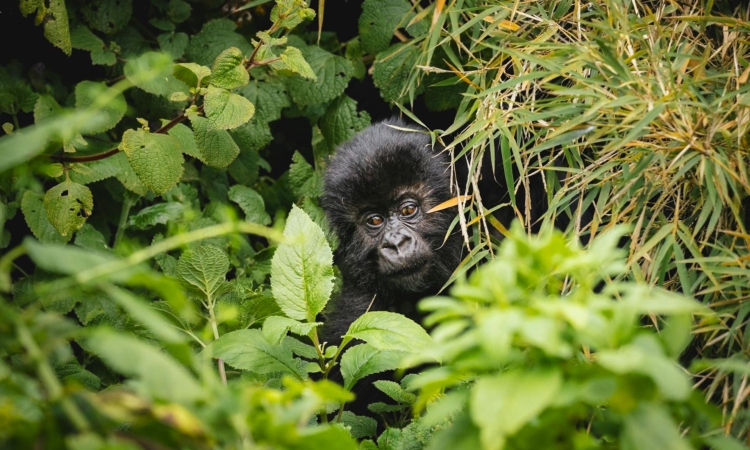
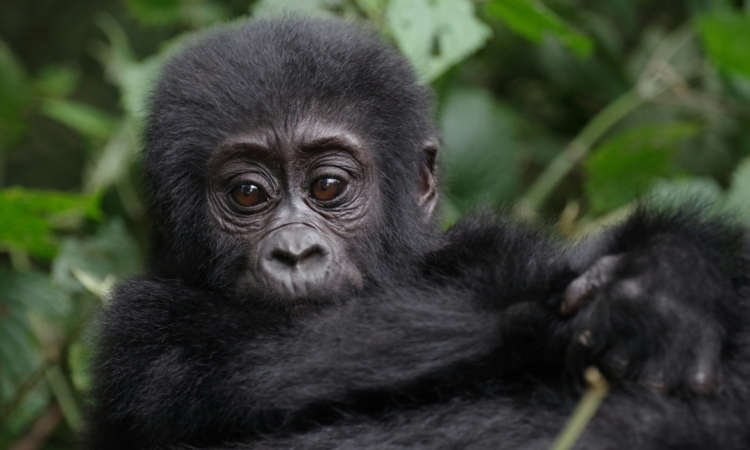
Uganda, Rwanda, and the Democratic Republic of Congo are the top African countries for gorilla trekking. Mountain gorillas live in four national parks: Bwindi Impenetrable National Park and Mgahinga Gorilla National Park in southwestern Uganda, Virunga National Park in Congo, and Volcanoes National Park in northwestern Rwanda.
Congo also holds Eastern Lowland gorillas in Kahuzi-Biega National Park and Maiko National Park. Mountain gorillas and Eastern Lowland gorillas are both subspecies of the Eastern gorilla, alongside the Cross-River gorilla and Western Lowland gorilla found elsewhere in Africa.
Gorilla Trekking Permit Costs
A gorilla trekking permit gives you one hour with the gorillas in the wild. In Uganda, a permit costs USD 800 for foreign non-residents, USD 700 for foreign residents, and UGX 300,000 for East African citizens. In Rwanda, the permit costs USD 1,500. In Congo, the permit costs USD 400 for either Kahuzi-Biega National Park or Virunga National Park.
Best Time for Gorilla Trekking
Gorilla trekking runs year-round, but the dry months give you the easiest trekking conditions. These fall from June to August and December to February, when parks get little to no rain and the forest floor stays less slippery.
During the rainy seasons, March to April and October to November, trails can turn muddy and more difficult to hike due to heavy rainfall.
What to Pack for Gorilla Trekking
Pack a camera without flash, gardening gloves, long pants, a rain jacket or poncho, bottled water, hiking boots, energy snacks, a daypack, sunglasses, insect repellent, a first aid kit, a long-sleeved shirt, and a sweater. The right gear makes a real difference in how comfortable your trek feels, especially during the rainy season.
Book Your Gorilla Trekking Safari
Understanding How Difficult Is Gorilla Trekking helps you prepare properly before booking. Get your permit early, since prices run $800 in Uganda, $1,500 in Rwanda, and $400 in Congo. Choose dry months for easier trails, pack the right gear, and hire a porter if you need extra support on the trail.
Book your gorilla trekking safari with Gorilla Hurly Burly today. Contact our team to check permit availability and plan your trip.