Preparing for Gorilla Trekking

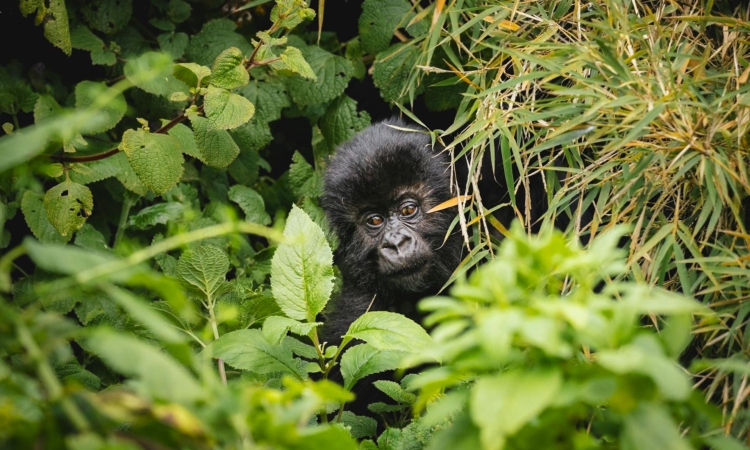
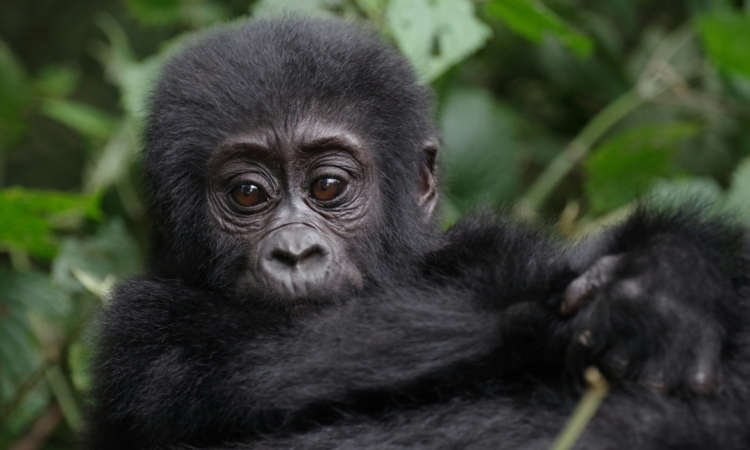
Meeting gorillas in their natural habitat ranks among Africa’s most rewarding wildlife experiences, but it requires real preparation, both physical and mental. Gorilla trekking stands as the continent’s most popular safari activity, bringing you close to animals that share about 98 percent of human DNA, living deep in tropical jungles where they spend their days feeding and moving between feeding grounds.
Gorilla Hurly Burly can help you prepare for every part of the trek, from fitness tips to packing lists to permit booking.

Why Physical Preparation Matters
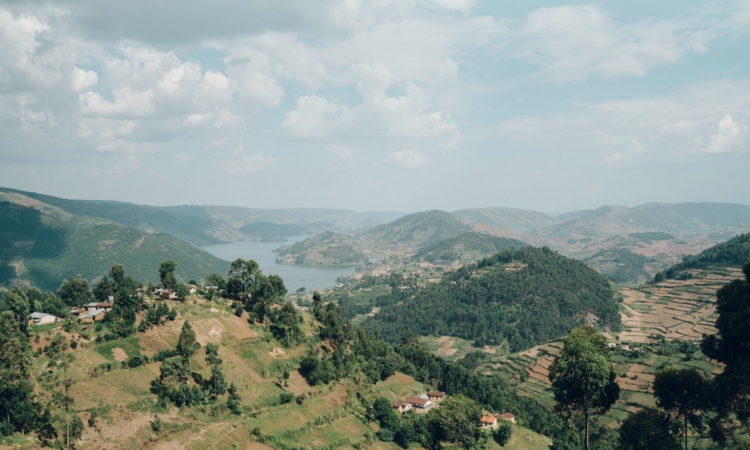
Gorillas live in hilly terrain with steep valleys and high altitudes, which makes physical preparation genuinely useful before your trip. The trek itself can take 2 to 6 hours on foot depending on how far the gorilla family has moved, and this can prove demanding for anyone unaccustomed to regular physical activity.
In the weeks or months leading up to your trip, building fitness through jogging in hilly areas, regular walking, stretching exercises, or hiking a nearby hill all help prepare your body for the conditions ahead. Some treks turn out easier than expected, while others run longer and more strenuous depending entirely on where your assigned gorilla family happens to be that day.
Whether the group is nearby or requires a longer hike to reach, decent fitness makes the day considerably more manageable. That said, regardless of your starting fitness level, reaching the gorillas and completing your hour with them remains achievable for most visitors who commit to the trek.
Where to Find Gorillas

Gorillas live across the Virunga Mountain range, which stretches through Uganda, Rwanda, and the Democratic Republic of Congo, all covered in dense tropical forest. The main trekking destinations include Bwindi Impenetrable National Park and Mgahinga National Park in Uganda, Volcanoes National Park in Rwanda, and Virunga National Park along with Kahuzi-Biega National Park in Congo.
Mountain gorillas live exclusively in these high-altitude wild areas and cannot be found in any zoo worldwide, making a trek to one of these parks the only way to see them in person.
Cost of a Gorilla Trekking Permit

Permit pricing varies significantly by country. Uganda charges USD 800, Rwanda charges USD 1,500, and the Democratic Republic of Congo charges USD 400 per person per day. This fee generally stays non-refundable except under specific circumstances, and it covers park entry, conservation funding, and your ranger guide for the day.
Booking at least three months ahead is advisable given how limited and in-demand permits are across all three countries. Each gorilla group accepts only eight visitors per day, and all trekkers must be at least 15 years old.
Best Time for Gorilla Trekking

Gorilla trekking runs year-round, with treks starting each morning, so punctuality and honoring your booked date both matter. The best months fall between June and September, and December through March, when rainfall drops and trails stay firmer underfoot.
Budget-conscious travelers can trek during March to May and October to November instead, accepting a higher chance of rain and muddier trails in exchange for discounted accommodation and other seasonal offers that aren’t available during peak months.
What to Pack for Your Trek

Beyond fitness preparation, packing the right gear makes a real difference on trekking day. Essential items include:
- Good hiking boots for rough terrain
- Insect repellent to protect against bites
- A water bottle for hydration throughout the trek
- A hair bandana
- A hat for sun protection
- A camera for photos
- Binoculars for spotting distant wildlife
- A waterproof jacket, since rain can fall at any time regardless of season
- Long safari trousers and long-sleeved shirts or blouses
Required documents include a yellow fever vaccination card, a negative Covid-19 test result where applicable, and a passport valid for at least six months beyond your travel dates.
Trekking Is Achievable at Any Fitness Level
Physical preparation genuinely helps, but it’s not a strict requirement for joining a gorilla trek. Travelers who haven’t trained specifically, and even those with certain physical limitations, regularly complete this experience with the right pacing and support from rangers and porters along the trail.
Book Your Gorilla Trekking Safari
Preparing properly, physically, mentally, and logistically, sets you up for a smoother, more enjoyable gorilla trekking experience regardless of which country or sector you choose. Book your gorilla trekking safari with Gorilla Hurly Burly today. Contact our team to plan your permit, packing list, and travel dates around the best trekking conditions for your trip.