Gorilla Habituation vs Normal Trek

Comparing gorilla habituation vs normal trek helps you pick the right gorilla trekking package in Bwindi Impenetrable National Park before you book. Gorilla habituation, available only in the Rushaga sector, gives you four hours with mountain gorillas in a small group of four people, at a higher cost of about USD 1,000 to 1,500. Normal gorilla trekking, available in Buhoma, Rushaga, Ruhija, and Nkuringo, gives you one hour with gorillas in a group of eight, at USD 800 per permit.
Gorilla Hurly Burly can help you weigh cost, time, and experience level to choose the package that fits your trip.
Gorilla Habituation vs Normal Trek: Key Differences

Uganda is the only country offering both gorilla habituation and normal trekking, largely because it holds more than half of the mountain gorillas remaining in the wild. This gives visitors more flexibility in choosing an experience that matches their budget and interest level.
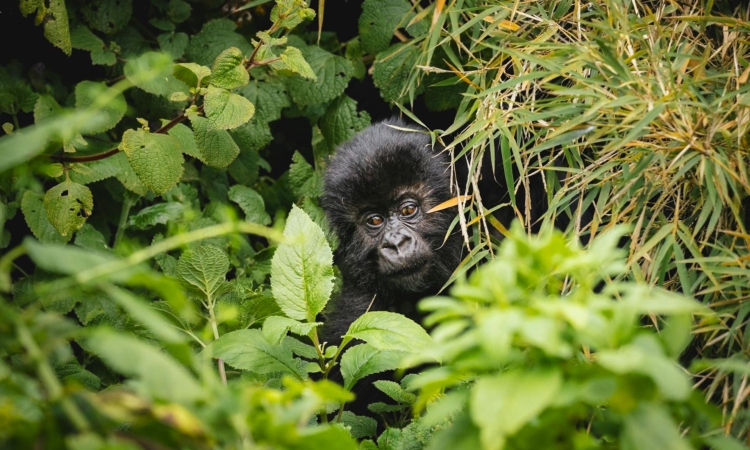
Gorilla habituation is the process of helping mountain gorillas grow accustomed to human presence, primarily for research and conservation purposes. This activity is only available in the Rushaga sector of Bwindi, since it requires a specific set of gorilla groups still going through the habituation process.
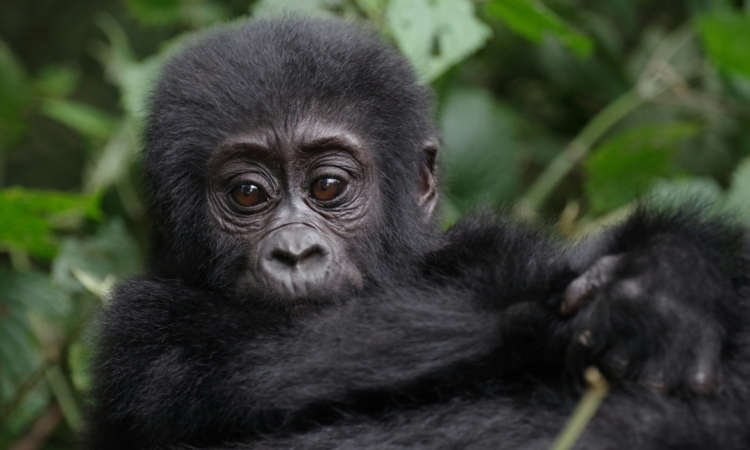
Gorilla trekking, by contrast, involves walking through the forest to find gorilla groups that are already fully habituated. This activity runs in all four sectors of Bwindi: Buhoma, Rushaga, Ruhija, and Nkuringo, giving you more location options to build your itinerary around.
The two activities differ in purpose, duration, group size, and cost, and understanding each difference helps you decide which one matches what you actually want out of the experience.
Time Spent With the Gorillas
Gorilla habituation gives you close to four hours with the gorillas, since you take an active role in the habituation process alongside researchers and trackers. This extended time lets you observe behavior patterns, feeding habits, and social dynamics in far more depth than a standard trek allows.
A normal trek limits your time with the gorillas to one hour, observing and photographing them from a distance of 7 meters. This shorter window still delivers a meaningful encounter, but it moves at a faster pace, with less room to settle in and watch specific behaviors unfold.
Group Size and Personal Experience
Gorilla habituation caps group size at four people per gorilla group, which creates a more personal, less crowded experience. Smaller groups also mean quieter surroundings, which can lead to calmer gorilla behavior and clearer viewing conditions throughout the four hours.
A normal trek allows up to eight people per group, which is still a manageable size but naturally feels less intimate than habituation. For travelers who prioritize a quieter, closer encounter over cost savings, the smaller habituation group size is often the deciding factor.
Cost Comparison
Gorilla habituation permits cost more, ranging from USD 1,000 to 1,500 per person in Bwindi. This higher price reflects the extended time, smaller group size, and specialized nature of the activity.
Normal gorilla trekking permits cost USD 800 per person per trek, making it the more budget-friendly option for travelers who still want a genuine gorilla encounter without the added cost of habituation. For many first-time trekkers, the standard permit price already represents a significant investment, so weighing the extra cost of habituation against your travel budget matters here.
Purpose and Research Value
Gorilla habituation exists primarily to help researchers understand gorilla behavior and social structures over time, with tourism revenue supporting that ongoing work. Participating in a habituation experience means you’re contributing directly to a process that has long-term conservation value beyond your own visit.
A normal trek focuses purely on observation, giving tourists the chance to see gorillas in their natural environment without the research component. Both activities support gorilla conservation through permit fees, but habituation ties you more directly into the research side of that work.
Which Option Should You Choose?
Choose a normal trek if you want a lower-cost option and are satisfied with a shorter, one-hour encounter with the gorillas. This works well for travelers combining gorilla trekking with other activities on a broader Uganda itinerary, where budget and time both matter.
Choose gorilla habituation if you want a deeper understanding of gorilla behavior, don’t mind the higher cost, and prefer a smaller, quieter group setting. This option suits travelers with a specific interest in primatology, conservation, or simply a slower, more immersive wildlife experience.
Book Your Gorilla Trekking Safari in Uganda Now
Comparing gorilla habituation vs normal trek comes down to cost, time, and the kind of experience you want in Bwindi Impenetrable National Park. Gorilla habituation in Rushaga gives four hours with mountain gorillas in a group of four for USD 1,000 to 1,500, while normal trekking in Buhoma, Rushaga, Ruhija, and Nkuringo gives one hour in a group of eight for USD 800.
Book your gorilla trekking safari with Gorilla Hurly Burly today. Contact our team to compare both options and plan a well-organized safari experience in Uganda.