Best Months for Gorilla Sightings in Uganda
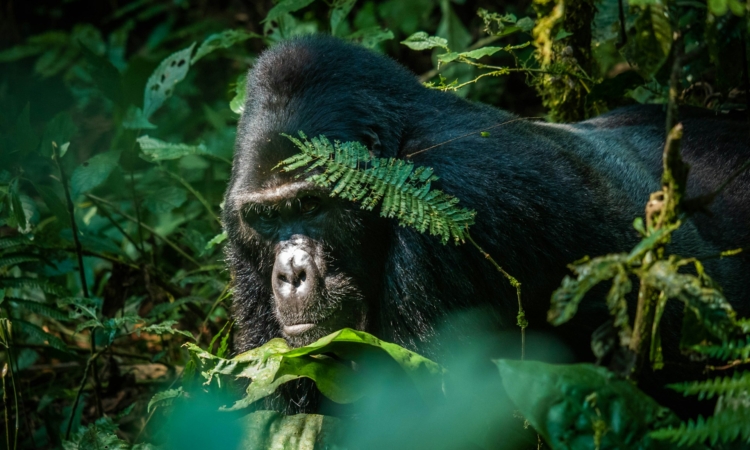
Gorilla sightings happen year-round, but certain months offer noticeably better conditions than others. Dry months like January, February, June, July, and December bring firmer trails, thinner vegetation, and clearer visibility for photography, making these the best months for gorilla sightings across Bwindi Impenetrable National Park and Mgahinga Gorilla National Park.
Gorilla Hurly Burly recommends booking your permit early, especially for peak months like June and July or the festive December period, since demand climbs sharply during these windows.
When to Book Gorilla Trekking Permits in Uganda

While gorilla sightings remain possible throughout the year, the dry months consistently offer easier hiking conditions and better overall trekking experiences compared to the wetter parts of the calendar.
January: A Strong Start to the Dry Season
January ranks among the best months for gorilla sightings, marking the start of Uganda’s dry season with minimal rainfall and only occasional afternoon mist. With 6 to 8 hours of sunshine daily, trails stay dry and manageable throughout the month. Daytime temperatures range from 12 to 25°C, cooling further at night.
January also brings a higher chance of seeing newborn gorillas, since births often cluster around this period. Gorillas tend to stay at lower elevations during January as well, which can mean shorter treks to reach them compared to other times of year.
February: Similar Conditions, Fewer Crowds
February closely mirrors January’s weather patterns, with rainfall dropping to about 40mm and 7 to 9 hours of sunshine daily keeping trails dry and manageable. Thinner vegetation during this month improves visibility, giving photographers clearer sightlines for capturing sharp images of the gorillas.
February also tends to see less competition for permits compared to the true peak months, making it a strong choice for travelers who want dry-season conditions without the busiest crowds of June, July, or December.
June: The Start of Peak Season
June brings rare and generally short rain showers, and while vegetation stays fairly dense, gorilla sightings remain entirely achievable throughout the month. Gorillas tend to move to mid-altitude zones during June, which means trekkers don’t typically need to cover long distances to reach them.
June also marks the beginning of Uganda’s peak tourist season, so booking permits early becomes especially important as demand climbs through the month.
July: Dry Season at Its Peak
July stands out as one of the most reliable months for easy trekking conditions, with the dry season at its strongest point. Trails run dry and dusty, and thin, dry vegetation further improves visibility compared to wetter months. This combination makes July a favorite among photographers and trekkers who want the smoothest possible hike.
Because July sees such high demand, booking permits at least 6 months in advance is worth doing rather than risking availability closer to your travel date.
December: Festive Season Trekking
December brings moderate rainfall that keeps trails passable despite some seasonal wetness. Vegetation can grow thicker due to the rain, but trekkers can still navigate the forest and locate gorillas without major difficulty. Since December falls during the festive season, when many travelers combine gorilla trekking with holiday trips, booking early matters just as much here as during the mid-year peak months.
Comparing These Five Months
Each of these months offers a slightly different balance of trail conditions, crowd levels, and gorilla behavior. January and February deliver the driest, clearest conditions with relatively lower demand than the mid-year peak. June and July represent the height of dry season trekking, paired with the highest visitor numbers and correspondingly tighter permit availability. December combines decent trekking conditions with holiday-driven demand, making it a hybrid of festive travel and dry-season trekking benefits.
Travelers who want the absolute driest trails with somewhat less competition for permits often find January or February the sweet spot. Those prioritizing the most reliable dry conditions, and willing to book far in advance, tend to gravitate toward June or July. December suits travelers who specifically want to combine a festive season trip with gorilla trekking, accepting a slightly higher chance of rain in exchange for that seasonal timing.
Temperature and Comfort Across These Months
Across all five recommended months, daytime temperatures generally stay between 12 and 25°C, creating comfortable trekking conditions without the extreme heat or cold that could complicate a multi-hour hike through the forest. This consistency is one reason these particular months stand out as reliable choices regardless of which one fits your specific travel window.
Book Your Gorilla Trekking Permit Today
Choosing the best time for gorilla trekking in Uganda means weighing dry trails and clear visibility against permit demand and crowd levels. January, February, June, July, and December each offer strong trekking conditions, with temperatures staying comfortable between 12 and 25°C throughout.
Book your gorilla trekking permit with Gorilla Hurly Burly today. Contact our team to plan your trip around the best month for your priorities and secure your permit well ahead of your travel dates.