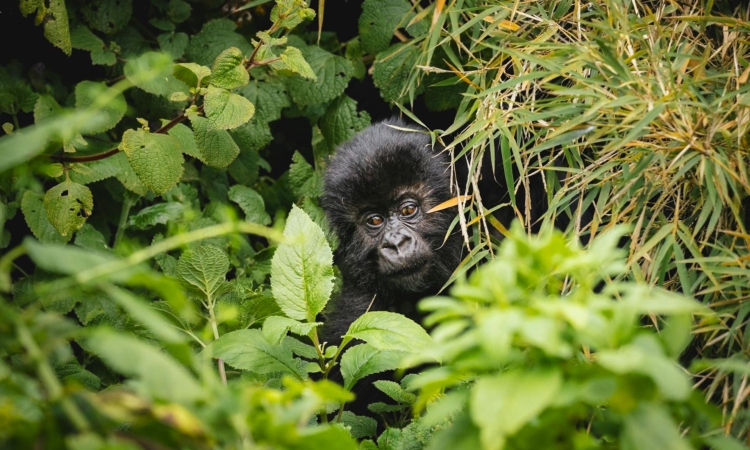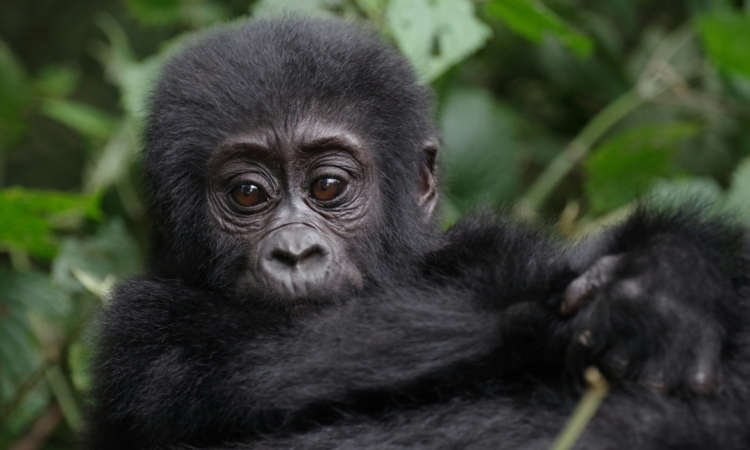
Self-Drive Gorilla Safari in Uganda

A self-drive gorilla safari gives you complete freedom over your pace and route through Uganda, ideal for travelers who prefer exploring on their own terms rather than following a fixed group itinerary. With careful planning around permits, vehicle rental, and route logistics, this option can be both practical and genuinely rewarding.
Gorilla Hurly Burly can help you plan the permit and logistics side of a self-drive trip, even if you’re handling the driving yourself.

Step One: Book Your Gorilla Permit
Booking your gorilla permit comes first, ideally 3 to 6 months before your planned travel date, since permits sell out quickly, particularly during peak dry season months. Securing this early gives you a fixed date to plan the rest of your self-drive itinerary around.
Step Two: Hire the Right Vehicle
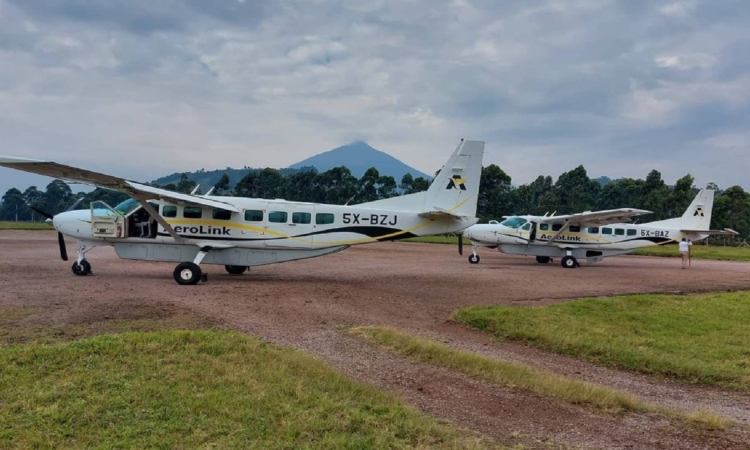
A 4×4 vehicle is essential for handling Bwindi’s rough terrain, with a Toyota Land Cruiser or Prado standing out as reliable choices for this kind of trip. Look for good ground clearance, GPS functionality, and offline maps, since parts of the route toward Bwindi lose reliable cell signal.
Beyond the vehicle itself, confirm that your rental company provides full insurance, a spare tire, and a roof rack for luggage. Reputable options in Uganda include Car Rental Uganda, Car Hire Uganda, Budget Car Rental, and Self Drive Uganda, each offering 4×4 vehicles suited to this kind of route.
Step Three: Book Accommodation Early
Booking your accommodation well ahead of travel matters especially during peak season, when Bwindi’s lodges fill up alongside gorilla permits. The park offers accommodation across every budget level, from basic budget lodges to high-end luxury properties, so there’s flexibility regardless of how you’re planning to spend on this part of the trip.
The Route from Kampala to Bwindi
Your self-drive safari typically starts in Kampala, covering roughly 500 km to reach Bwindi. Starting early in the morning helps you avoid Kampala’s city traffic before you’re on the open road heading west.
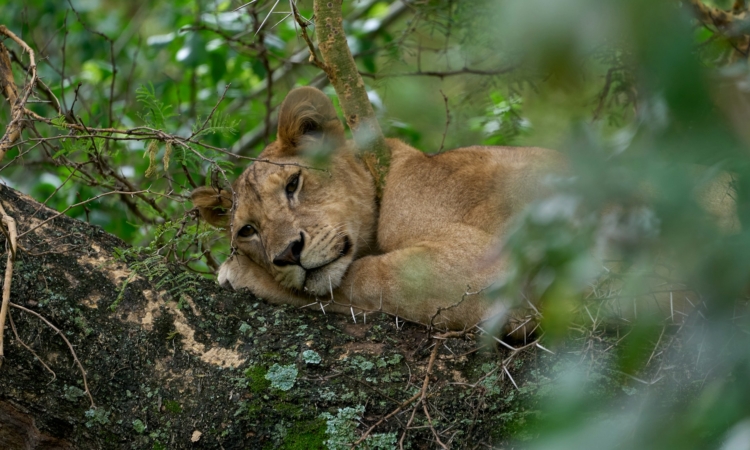
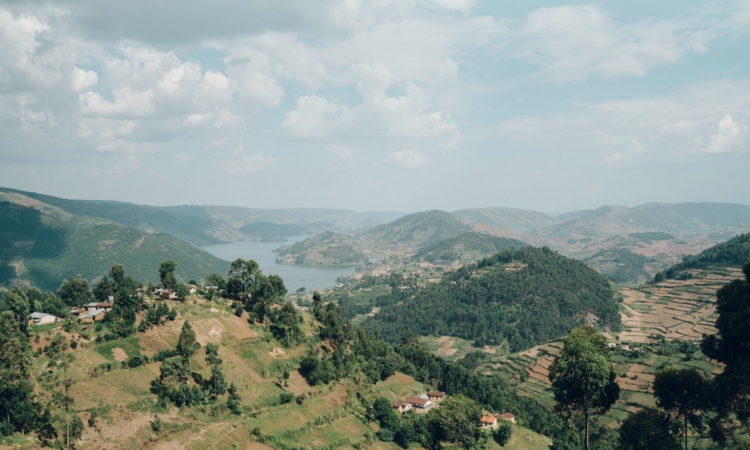
The route runs on good tarmac roads for a significant stretch, with an option to break up the drive at Lake Mburo National Park, where you can spot wildlife before continuing toward your final destination. From there, the road continues toward Kabale, passing through hilly terrain that adds some visual interest to the drive.
After Kabale, road conditions become more challenging as you approach Bwindi itself, so this final stretch requires more careful driving than the earlier tarmac sections of the trip.
Tips for a Safe Self-Drive Trip
A few practical habits make a real difference in safety and comfort throughout a self-drive gorilla safari. Stick to driving during daylight hours, since road conditions and visibility both worsen after dark, particularly on the rougher stretches near Bwindi. Obey speed limits and local traffic laws throughout the drive, and take advantage of fuel stations whenever they’re available, since fuel access becomes less predictable the further you get from major towns.
Respecting wildlife matters throughout the trip, not just during your actual gorilla trek, since you may encounter animals crossing roads near parks like Lake Mburo. On your trekking day itself, hiring a local guide remains essential regardless of how you traveled to the park, since gorilla trekking always requires a ranger guide by park regulation.
What to Pack
Essential items for a self-drive gorilla safari include your valid driver’s license, your gorilla permit, sturdy hiking shoes, long trousers, long-sleeved shirts, a rain jacket, offline GPS, a first aid kit, and enough cash for fuel stops and incidental expenses along the route, since card payment isn’t always reliable in more remote areas.
Why Choose a Self-Drive Safari
A self-drive safari suits travelers who value flexibility over convenience, giving you the freedom to stop wherever interests you along the route, whether that’s Lake Mburo, a scenic viewpoint, or simply a rest break when you need one. This flexibility comes with more responsibility, though, since you’re managing navigation, fuel, and road conditions yourself rather than relying on a driver-guide familiar with the route.
Travelers comfortable with independent travel and confident driving on varied road conditions tend to find self-drive safaris rewarding, while those preferring a more relaxed, fully guided experience may find a driver-guided safari a better fit instead.
Plan Your Self-Drive Gorilla Safari
A self-drive gorilla safari in Uganda rewards careful planning with genuine freedom and flexibility throughout your trip. Booking your permit early, choosing a reliable 4×4 vehicle, securing accommodation in advance, and following basic road safety practices all combine to make this a smooth and rewarding way to reach Bwindi.
Book your gorilla permit and plan your self-drive itinerary with Gorilla Hurly Burly today. Contact our team to check permit availability and get guidance on routes, timing, and logistics for your self-drive trip to Bwindi.