Solo Gorilla Trekking: Is It Worth It?

Gorilla trekking isn’t only for groups or families, and solo travelers can enjoy a genuinely rewarding experience on their own terms. Traveling solo means covering the full cost of your trip yourself, since there’s no group to split expenses with, but the trekking experience itself remains just as rich and personal.
Gorilla Hurly Burly can help solo travelers book permits, arrange accommodation, and plan a smooth trip from arrival to departure.

Booking Your Permit as a Solo Traveler
The first step for any solo gorilla trek is securing your permit, booked either through a licensed tour operator or directly with the Uganda Wildlife Authority. Since permits sell on a first-come, first-served basis, solo travelers should book 3 to 6 months ahead of their planned trekking date to avoid missing out on their preferred sector or timing.
You Won’t Trek Alone
Even as a solo traveler, you won’t be trekking by yourself on the actual day. Your lodge arranges pickup and transport to park headquarters, where you join other travelers for the standard morning briefing. From there, you’re assigned to a specific gorilla family alongside seven other visitors, since each group is capped at eight people regardless of whether individuals booked solo or as part of a larger party.
After the briefing, your group follows marked paths through the forest with an experienced guide, searching for your assigned gorilla family. The trek typically takes 2 to 6 hours depending on the gorillas’ location that day, followed by one hour observing them once your group locates the family.
What You Can Do During Your Hour With the Gorillas
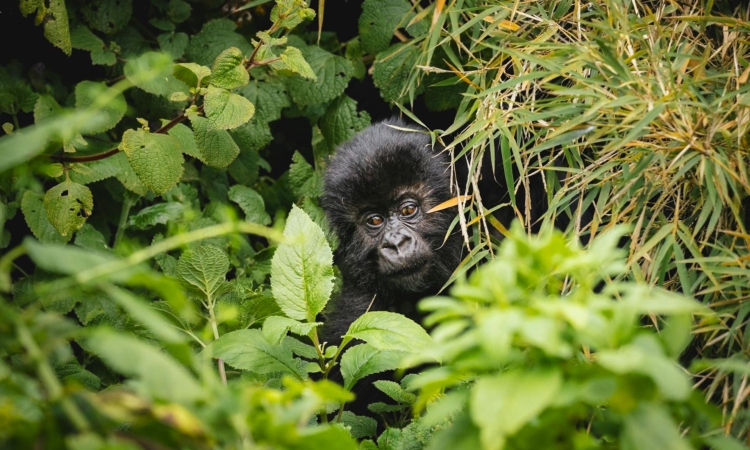
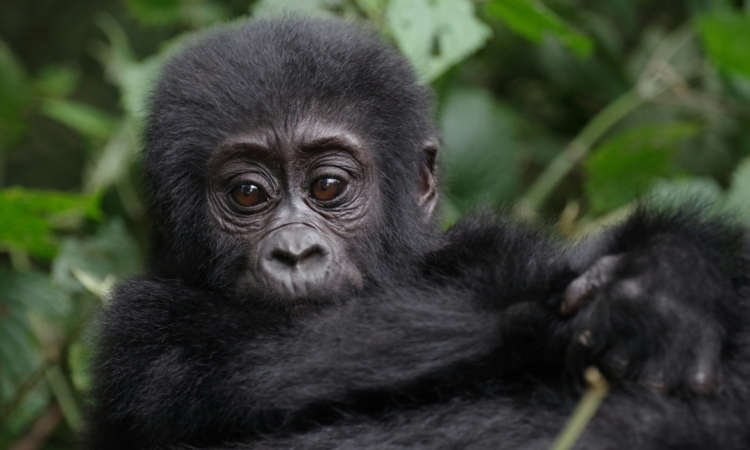
Once you reach the gorillas, you can watch their behavior, take photographs, and ask your ranger guide questions about the specific family you’re visiting. This hour stays identical whether you booked solo or with a group, giving every visitor the same core encounter regardless of how they arrived at the park.
Benefits of Solo Gorilla Trekking
Traveling alone for gorilla trekking comes with real advantages beyond simply not needing to coordinate schedules with travel companions. Solo trekking gives you more personal freedom throughout your broader trip, a deeper individual focus on the wildlife experience itself, and natural opportunities to meet new people within your assigned trekking group.
Many solo travelers describe the hike itself as a genuinely meaningful personal experience, offering space for reflection that can feel different when trekking as part of a pre-existing travel group. The shared experience within your randomly assigned gorilla group also creates natural conversation and connection with fellow travelers from different countries and backgrounds.
Gorilla Permit Costs
A gorilla permit in Bwindi costs USD 800 for foreign non-residents, USD 700 for foreign residents, and UGX 300,000 for East African citizens. This pricing stays the same whether you’re trekking solo or as part of a larger group, since the permit fee is per person rather than per group.
Best Time for Solo Travelers to Visit
The best time for solo travelers to visit Bwindi falls during the dry season, June to September and December to February, when trails stay dry and easier to walk, and thinner vegetation improves visibility throughout the forest. These conditions make for a smoother physical experience, which can matter more for solo travelers who don’t have travel companions to help manage gear or navigate unfamiliar logistics.
What to Pack as a Solo Trekker
Solo travelers should pack the same essential gear as any gorilla trekker: insect repellent, long trousers, a long-sleeved shirt, binoculars, a camera, a hat, sunscreen, gardening gloves, and other basic trekking items. Since you won’t have a travel companion to share forgotten items with, double-checking your packing list before departure matters a bit more when traveling alone.
Planning the Rest of Your Solo Trip
Beyond the trek itself, solo travelers benefit from planning accommodation and transport with the same care given to the permit booking. Many lodges near Bwindi accommodate solo travelers well, though single supplement charges sometimes apply, so confirming pricing structures ahead of time helps avoid surprises at checkout.
Combining your gorilla trek with other solo-friendly activities, such as a nature walk, cultural visit, or Batwa community experience, can round out your trip and make full use of your time in the region beyond the single trekking day itself.
Why Solo Gorilla Trekking Works
Gorilla trekking’s built-in group structure, with rangers assigning solo travelers into the same eight-person groups as everyone else, means solo trekkers never actually face the forest alone despite traveling independently to get there. This structure removes much of the isolation that solo travel can sometimes involve, while still preserving the personal freedom and reflection that draws many travelers to solo trips in the first place.
Book Your Solo Gorilla Trekking Safari
Traveling alone for gorilla trekking offers a genuinely rewarding, quiet connection with nature, made easier by the fact that you’ll always trek within an assigned group once you reach the park. Solo travelers get the same core encounter as anyone else, with added personal freedom throughout the rest of the trip.
Book your solo gorilla trekking safari with Gorilla Hurly Burly today. Contact our team to secure your permit and plan a complete solo trip to Bwindi Impenetrable National Park.