Wet Gear vs Dry Gear for Gorilla Trekking

Choosing between wet gear vs dry gear for gorilla trekking affects your comfort, safety, and performance on the trail. Dry gear, including lightweight clothing and ventilated footwear, keeps you warm, stable, and comfortable throughout the hike. Wet gear, especially during rain, becomes heavy fast, leading to fatigue and a higher risk of hypothermia.
Gorilla Hurly Burly recommends planning your gear around the season and your own comfort preferences before booking your trek.
Comparing Wet and Dry Gear for Trekking
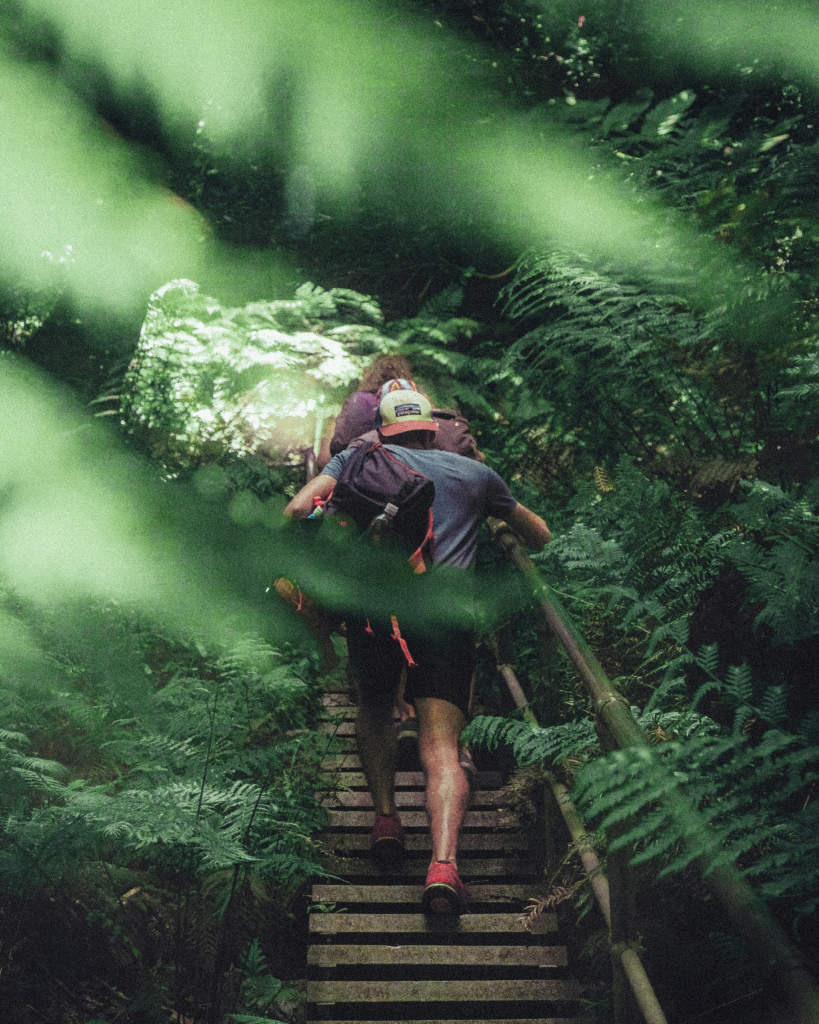
Gorilla trekking tests your patience and physical stamina, and the gear you choose plays a real role in how the day unfolds. Comparing wet gear and dry gear side by side helps you understand what to expect and prepare accordingly, rather than finding out the hard way partway through a trek.
Compare Wet Gear vs Dry Gear Before Booking
The differences between trekking in wet gear and dry gear come down to comfort, safety, and how your body performs over several hours. Dry gear tends to stay lighter and more predictable, while wet gear introduces variables that shift depending on rainfall, humidity, and how quickly your clothing dries between showers. Knowing these differences ahead of time helps you pack the right combination of items rather than guessing.
Why Choose Dry Gear for Gorilla Trekking
Setting out on a trail under clear skies with dry gear gives you a real sense of freedom and comfort. Dry gear includes lightweight, breathable clothing and well-ventilated footwear that lets your feet stay cool without trapping moisture. Dry conditions keep your clothes at their normal weight throughout the trek, so you can focus your energy on hiking and taking in the forest rather than fighting soaked fabric.
Trekking in the rain with wet gear tells a different story. Rain soaks into your jacket, pants, and backpack, adding noticeable weight that builds with every hour on the trail. This extra weight makes each step feel heavier, leading to faster fatigue and general discomfort that can take the edge off an otherwise memorable trek. Wet socks and boots in particular tend to cause blisters and general foot discomfort that dry gear avoids entirely.
Improve Safety and Performance with the Right Gear
Trekking in dry gear also supports better safety and physical performance throughout the day. Dry gear keeps its insulating properties intact, helping your body maintain a stable temperature without the added strain of dampness working against you. Wet clothing cools your body as water evaporates off the fabric, which can feel fine briefly but turns into a genuine chill if the clothing never fully dries, particularly in Uganda and Rwanda‘s cooler morning and evening temperatures.
The risk of hypothermia drops significantly when you trek in dry gear compared to wet gear, especially on longer treks that stretch into several hours. Dry footwear also provides noticeably better grip and stability on forest trails than wet footwear, which tends to slip more easily on muddy or rocky sections. Given that gorilla trekking already involves steep slopes and uneven ground, starting with solid footing matters more than it might seem at first.
That said, the choice between wet gear and dry gear ultimately comes down to personal preference and how your body handles temperature changes. Some trekkers manage wet conditions without much trouble, while others find even light rain significantly more draining. Knowing your own tolerance helps you decide how much you invest in waterproofing versus breathability when packing for your trek.
Plan and Book Your Safari with the Right Gear
Choosing between wet gear and dry gear shapes your comfort, safety, and overall performance once you’re on the trail. Dry gear, paired with lightweight clothing and ventilated footwear, keeps you warm, stable, and comfortable for the full trek. Wet gear in rainy conditions adds weight, fatigue, and a higher chance of hypothermia if you’re not prepared for it.
Before booking your gorilla trekking trip, take time to choose gear that matches the season you’re traveling in and your own comfort level with wet or humid conditions. This preparation makes a real difference in how much you enjoy the trek from start to finish.
Ready to plan your gorilla trekking safari? Book with Gorilla Hurly Burly today for a well-prepared, comfortable trekking experience.