Gorilla Trekking During Peak Season

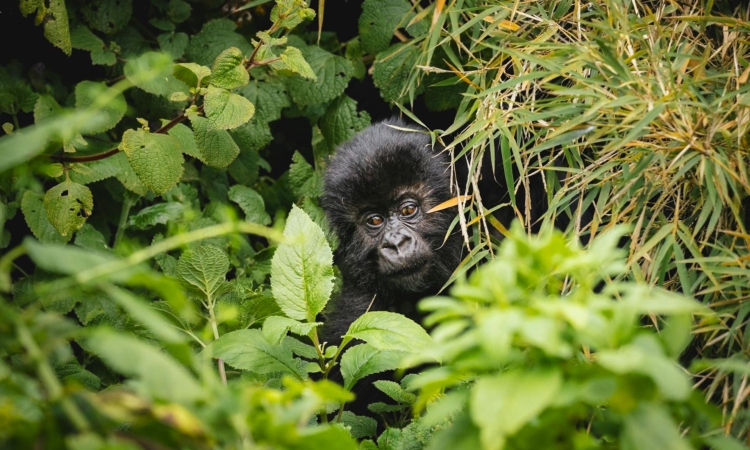
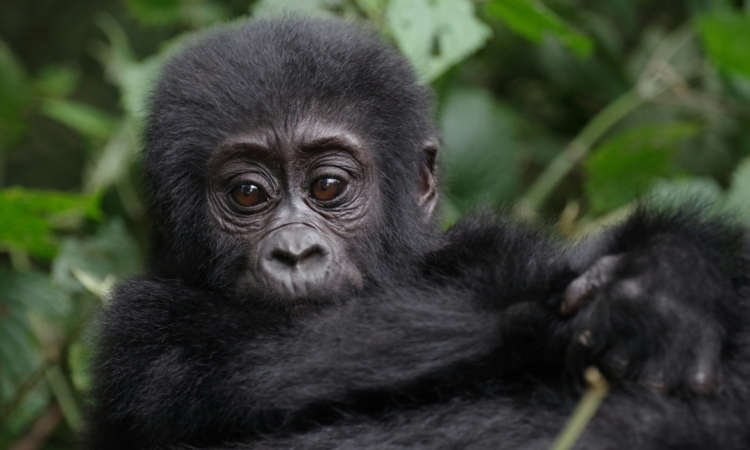
Trekking gorillas during the peak season means higher permit demand, fuller lodges, and busier trails, but with the right planning it stays fully manageable. Peak season for gorilla trekking runs during Uganda and Rwanda’s dry months, June to August and December to February, plus periods around Easter, Christmas, and New Year when both leisure and gorilla trekking travel spike together.
Gorilla Hurly Burly can help you plan around these busier months so your trek stays smooth despite the crowds.
Why Gorilla Trekking Peak Season Fills Up Fast
Dry season months draw the largest number of trekkers because trails stay firmer and easier to navigate, making the physical side of the trek more manageable. This overlap between good trekking weather and general holiday travel means permits, lodges, and transport all compete for the same limited supply during these windows.
Understanding this overlap helps explain why booking early matters so much more during peak months than during quieter shoulder or wet seasons, when availability naturally stays looser.
Book Your Gorilla Permit Early
Booking your gorilla trekking permit early is the single most effective step for peak season travel. Permits are limited to eight visitors per gorilla family per day, and during June to August or December to February, popular sectors like Buhoma and Rushaga can sell out months ahead. Booking 4 to 6 months in advance gives you the best chance at your preferred sector and date, rather than settling for whatever remains close to your travel window.
The same logic applies to your accommodation and transport, both of which should be locked in as early as your permit, since lodges near popular trekking sectors fill up alongside permit demand.
Choose Accommodation Wisely
Lodges and hotels near gorilla trekking sectors charge more during peak season, reflecting the higher demand across the same limited number of rooms. If budget is a concern, consider mid-range lodges or guesthouses slightly farther from the park entrance rather than premium properties right at the trailhead, since the price difference can be significant without meaningfully affecting your trekking experience.
Booking accommodation alongside your permit, rather than treating them as separate bookings, also helps you avoid the situation where you’ve secured a permit but can’t find a room nearby for your trekking dates.
Plan Transport in Advance
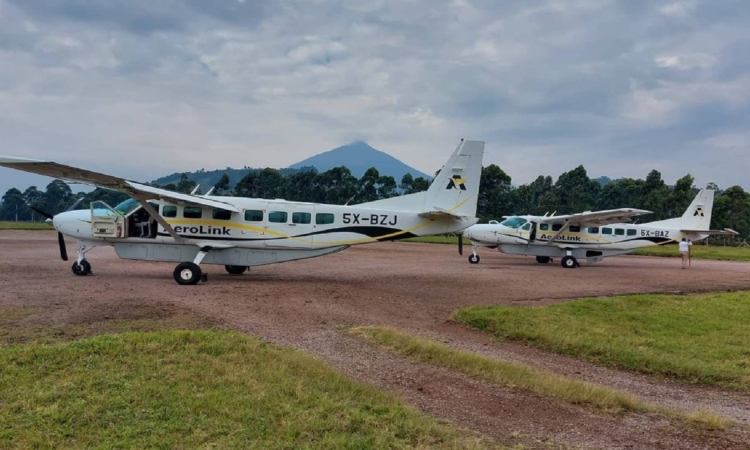
Private safari vehicles and transfers also see higher demand during peak months, so arranging transport early prevents last-minute scrambling. If you’re combining gorilla trekking with other parks or activities, confirm each leg of transport as part of your overall itinerary rather than assuming transport will be readily available closer to your travel dates.
Pack Efficiently for a Smoother Trip
Packing light matters more during peak season, since busier flights and lodges sometimes tighten luggage allowances or charge more for excess baggage during high-demand periods. Sticking to trekking essentials, hiking boots, a rain jacket, long-sleeved shirts, and basic toiletries, keeps your luggage manageable without sacrificing what you actually need on the trail.
Consider Group Trekking Options
Group tours can help offset some of the higher costs associated with peak season travel, since shared transport, shared guides, and shared accommodation reduce the per-person price compared to a fully private itinerary. For travelers less concerned about a personalized pace, group options during peak months can make the trip noticeably more affordable without cutting corners on the trekking experience itself.
Be Flexible With Timing Where Possible
Where your schedule allows some flexibility, trekking midweek rather than on weekends can mean smaller crowds at park headquarters and slightly more relaxed logistics during registration and briefing. Early morning arrivals at the trailhead also help you avoid the busiest stretch of check-in, since gorilla treks are assigned in the order groups arrive and register.
This flexibility won’t eliminate peak season demand entirely, since permit numbers stay fixed regardless of day of the week, but it can smooth out some of the smaller logistical friction points around your actual trekking day.
Budget Carefully for Peak Season Costs
Peak season pricing affects more than just permits. Accommodation, transport, and even some park activities tend to cost more during high-demand months, so building a realistic budget ahead of time helps you avoid unpleasant surprises partway through your trip. Setting aside a clear budget for permits, lodging, transport, and incidentals lets you plan confidently rather than adjusting on the fly once you’re already in Uganda or Rwanda.
Explore Beyond the Main Trekking Sectors
Popular sectors like Buhoma draw the largest peak season crowds, but lesser-visited sectors such as Ruhija or Nkuringo often have more permit availability even during busy months, along with quieter trails and lodges. Considering these alternative sectors can give you a more relaxed trekking experience without sacrificing the core gorilla encounter that draws most travelers to Uganda or Rwanda in the first place.
Book Your Peak Season Gorilla Trek With Confidence
Trekking gorillas during the peak season is entirely manageable with the right preparation: book your permit and accommodation early, plan transport in advance, pack efficiently, and stay open to less crowded sectors or midweek trekking days where your schedule allows.
Book your gorilla trekking safari with Gorilla Hurly Burly today. Contact our team to plan your peak season trip and secure your permit, accommodation, and transport well ahead of your travel dates.